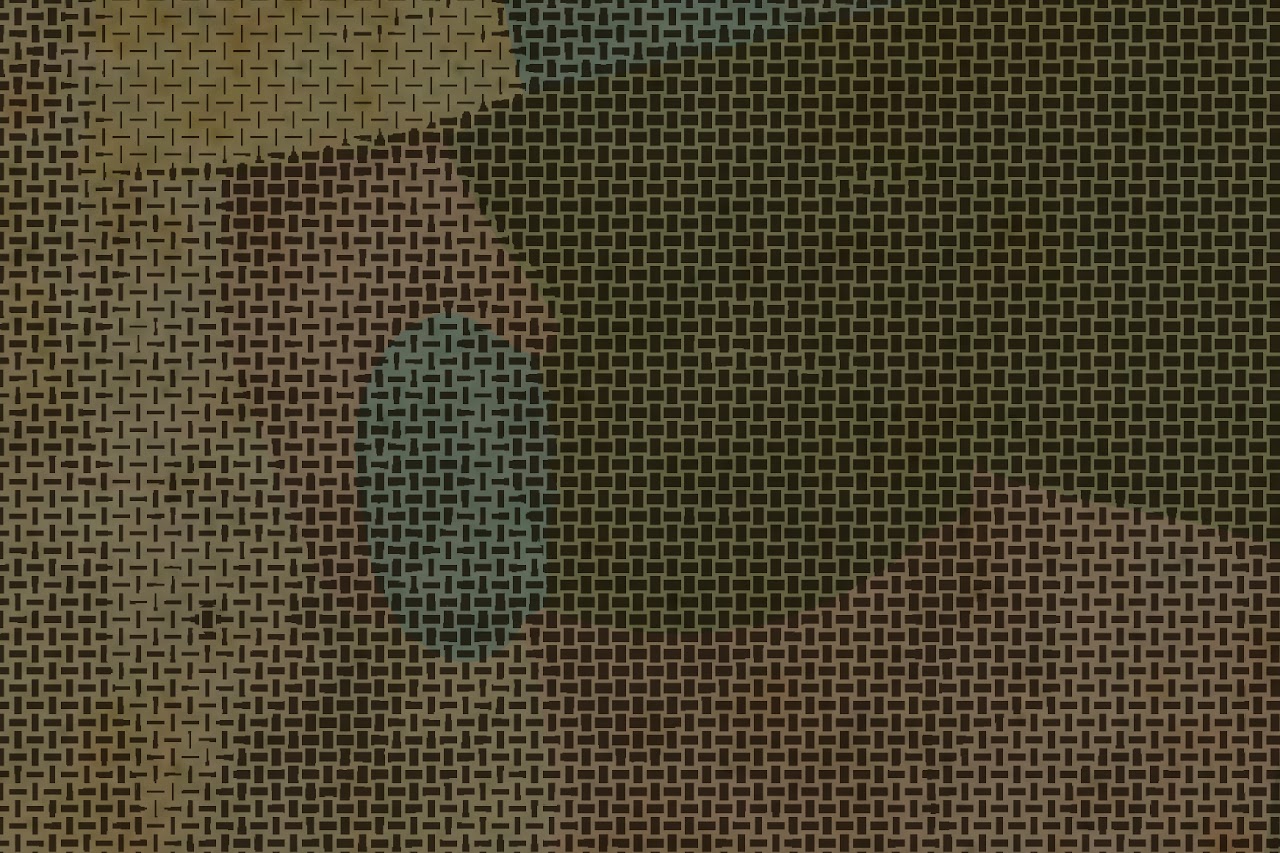
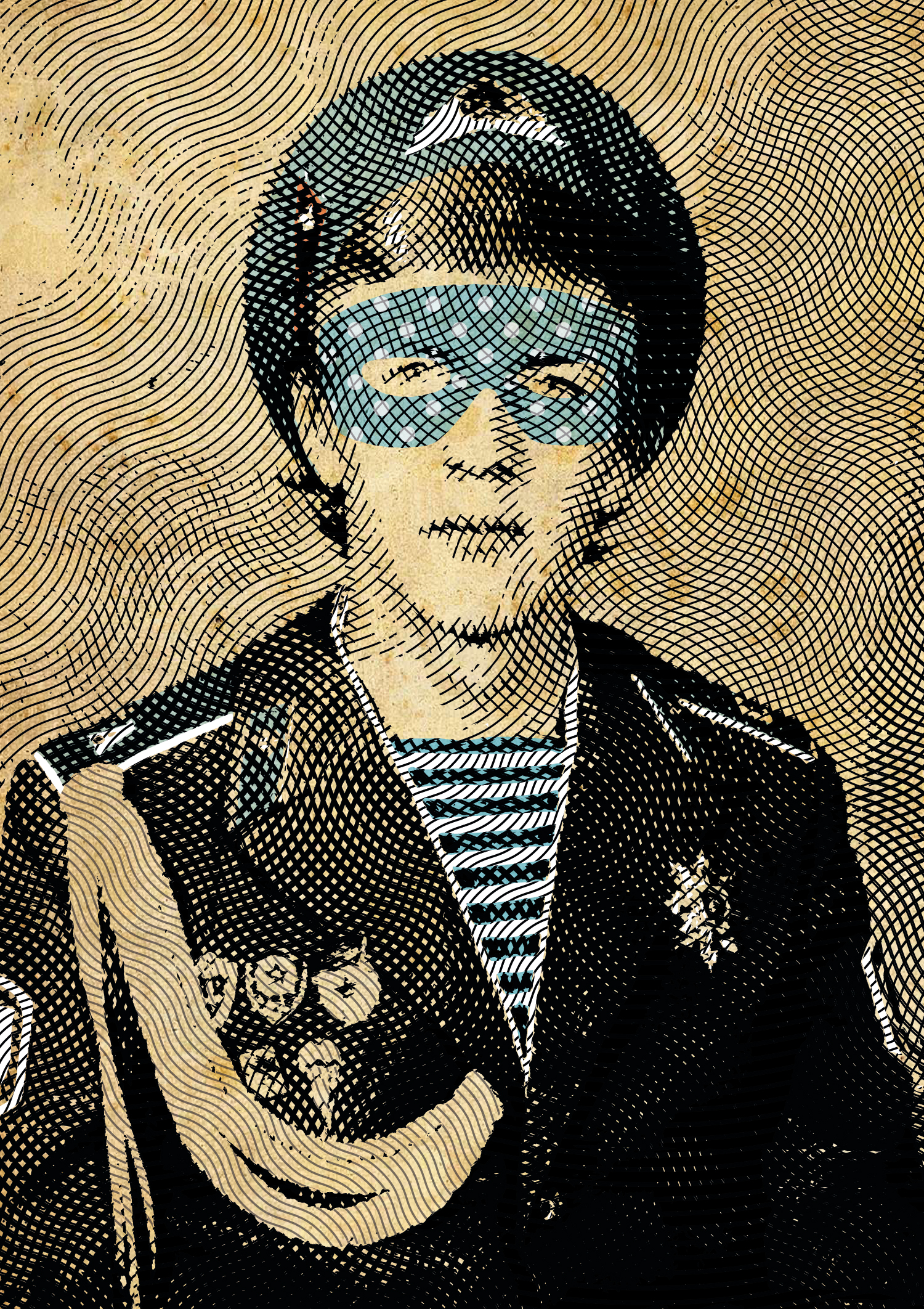
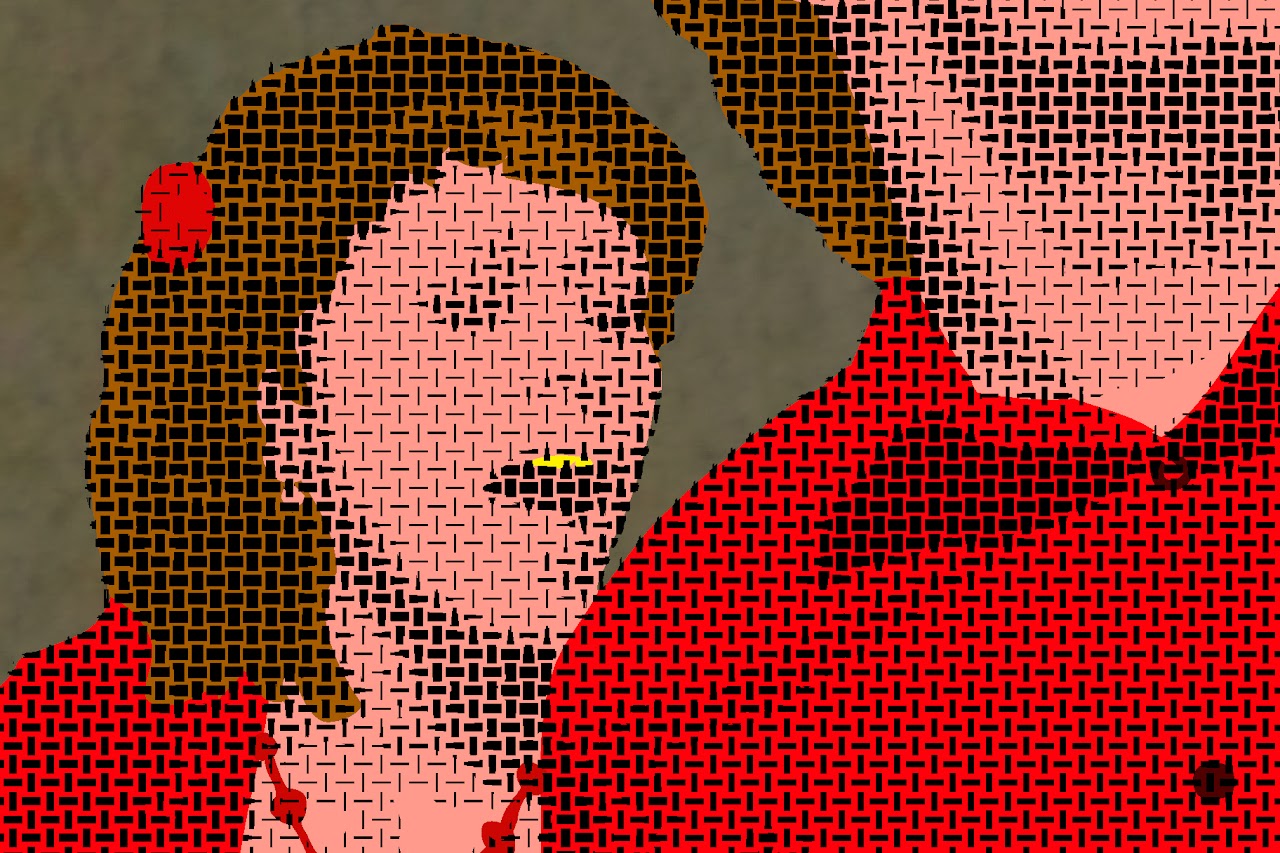
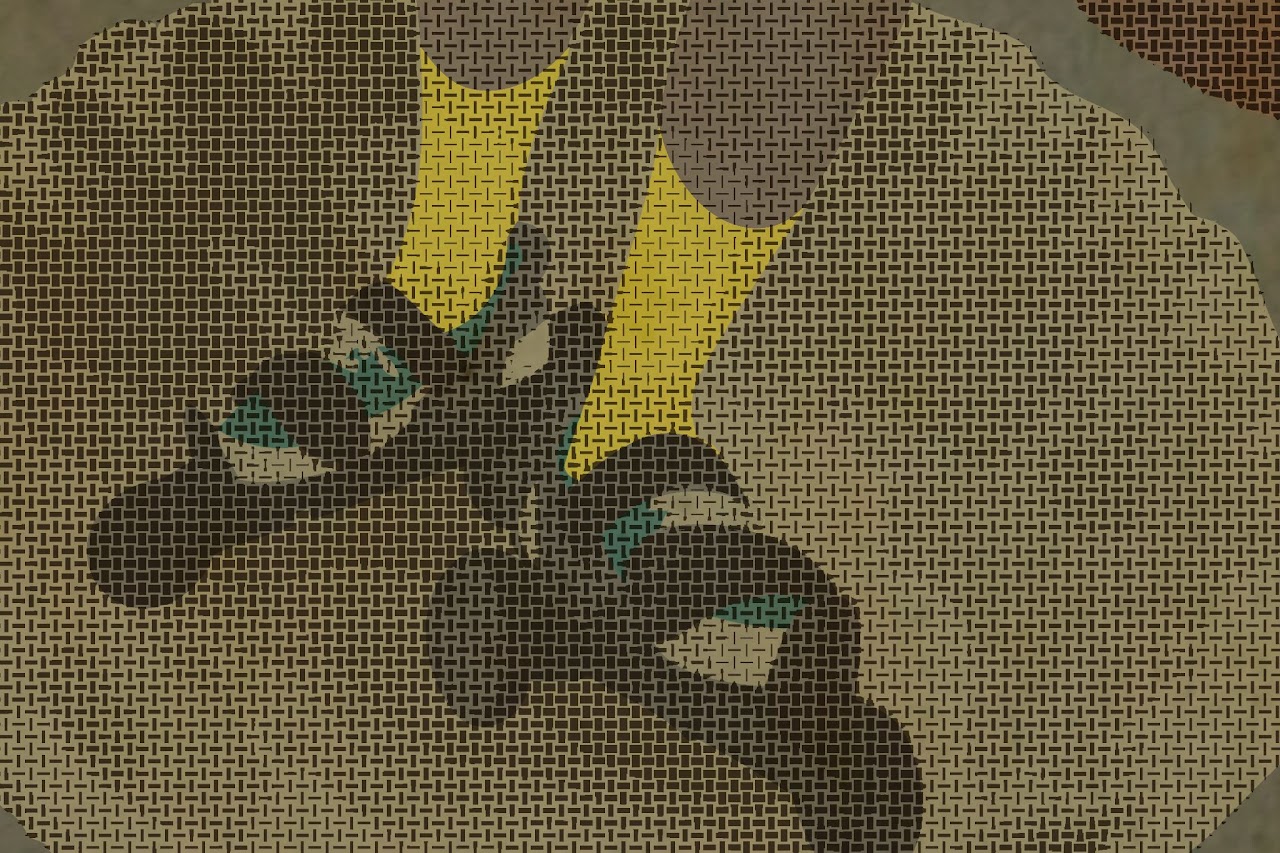
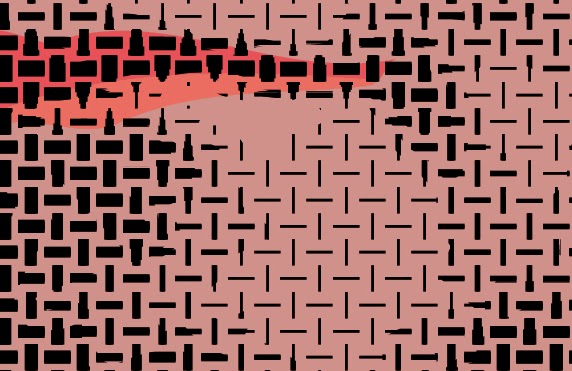
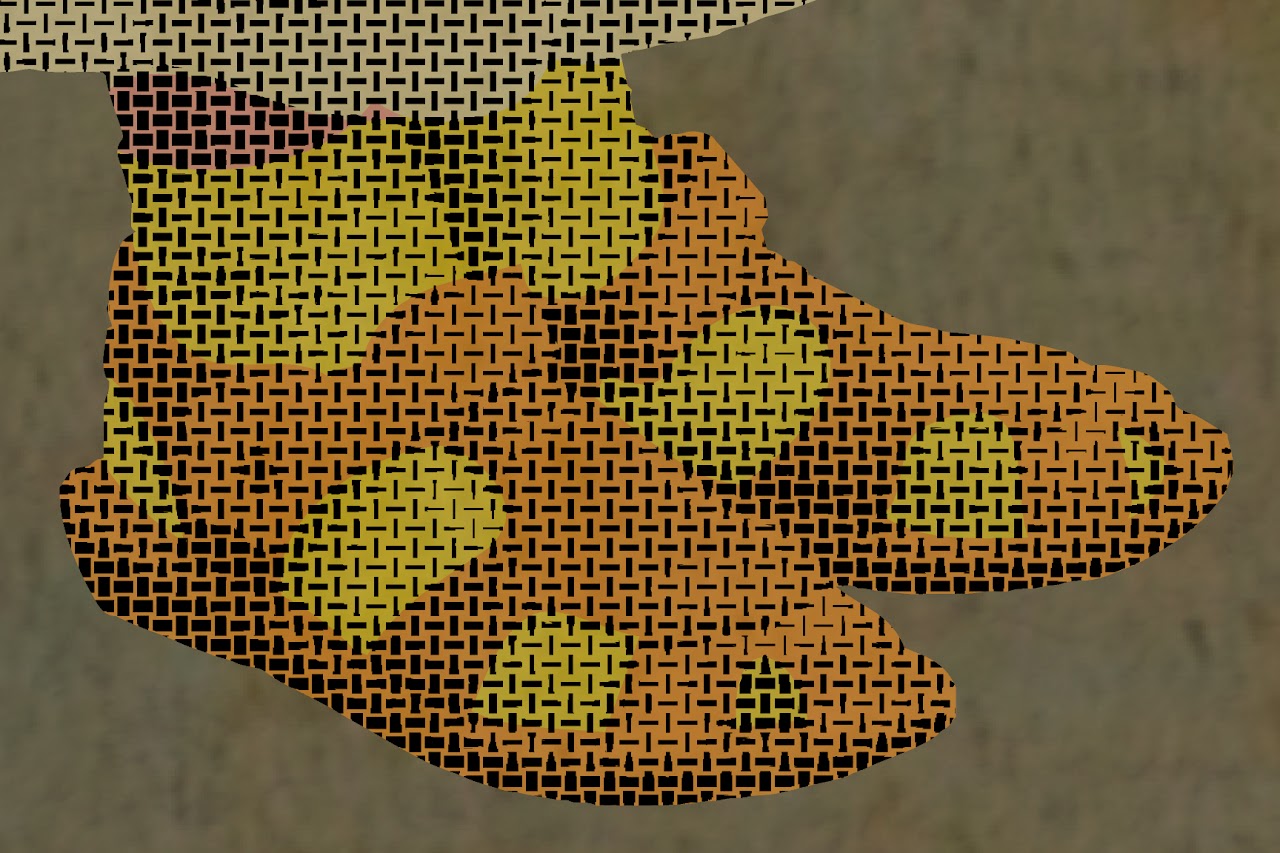
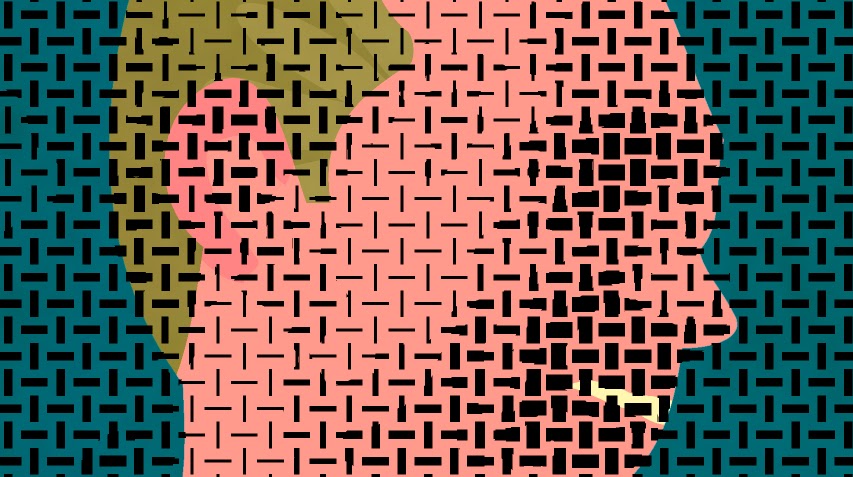
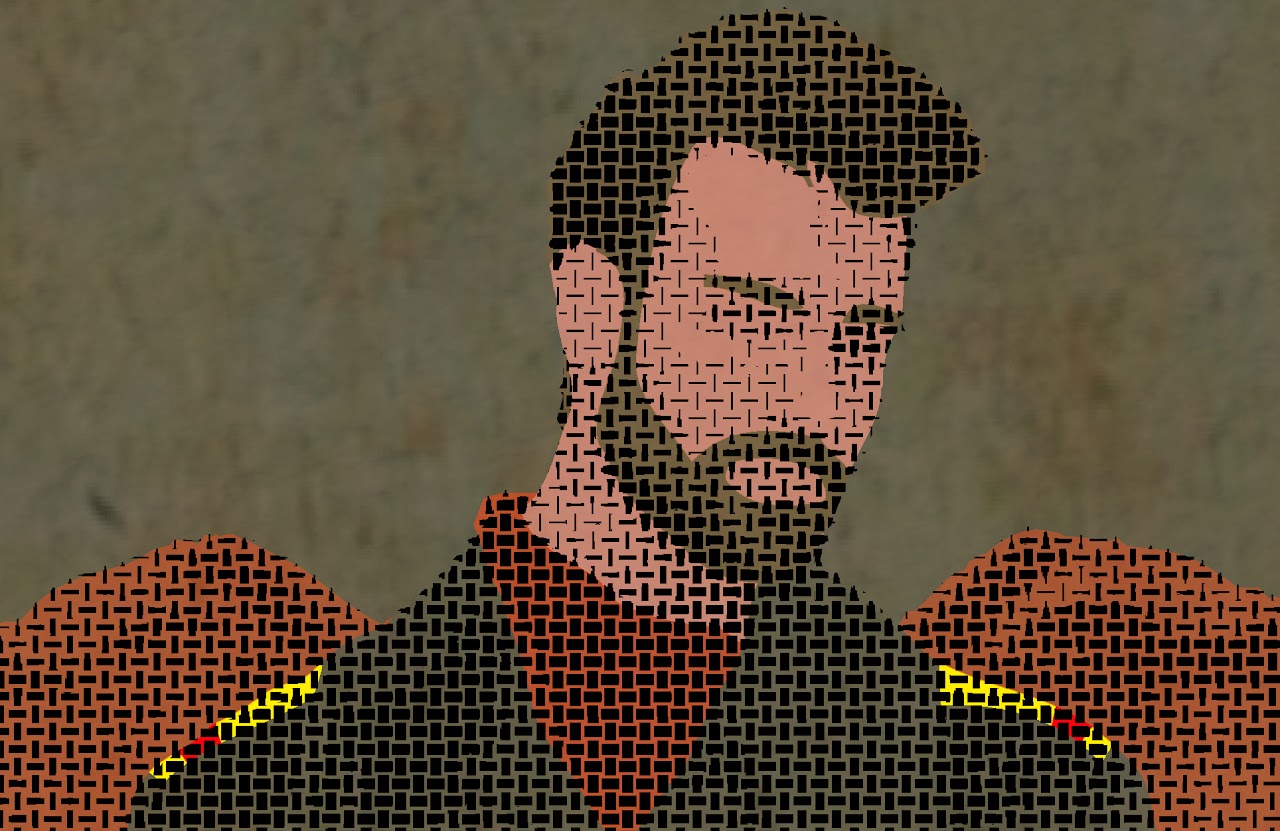
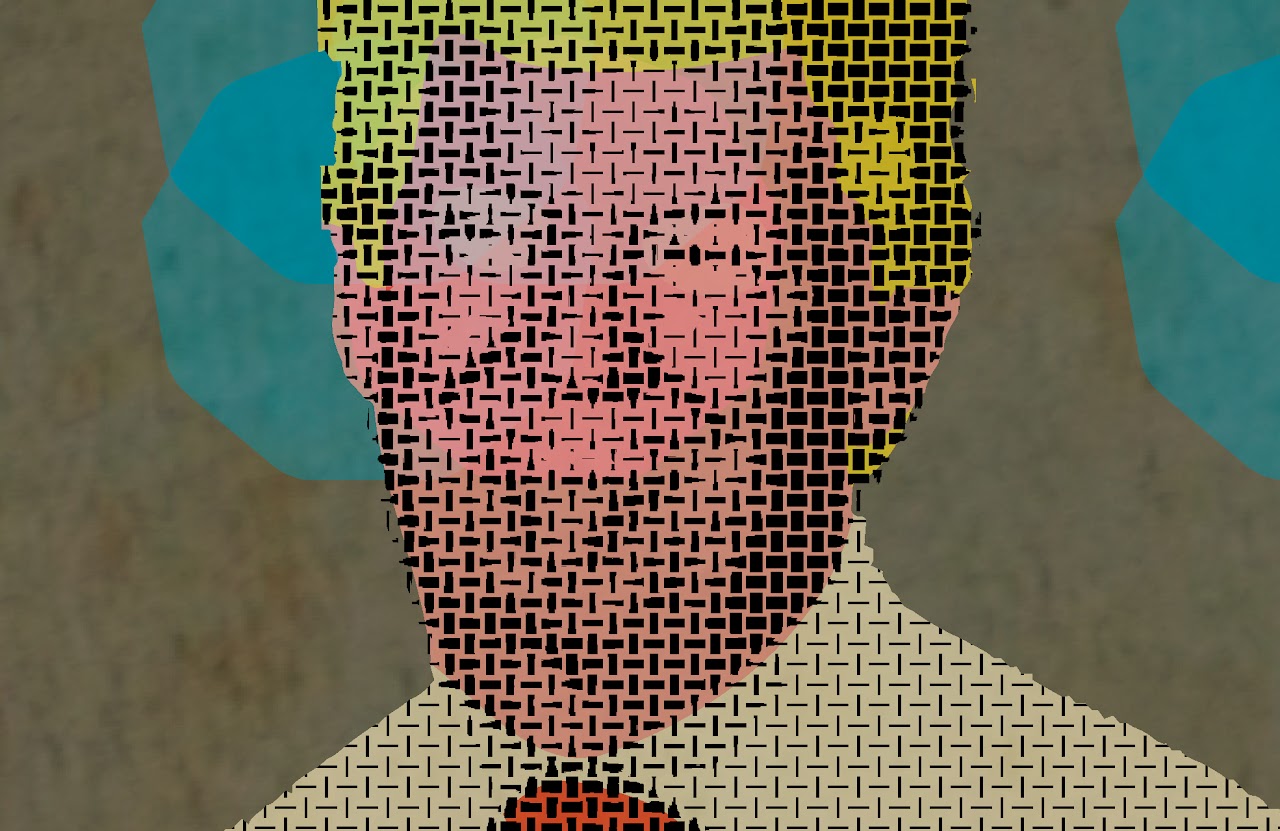
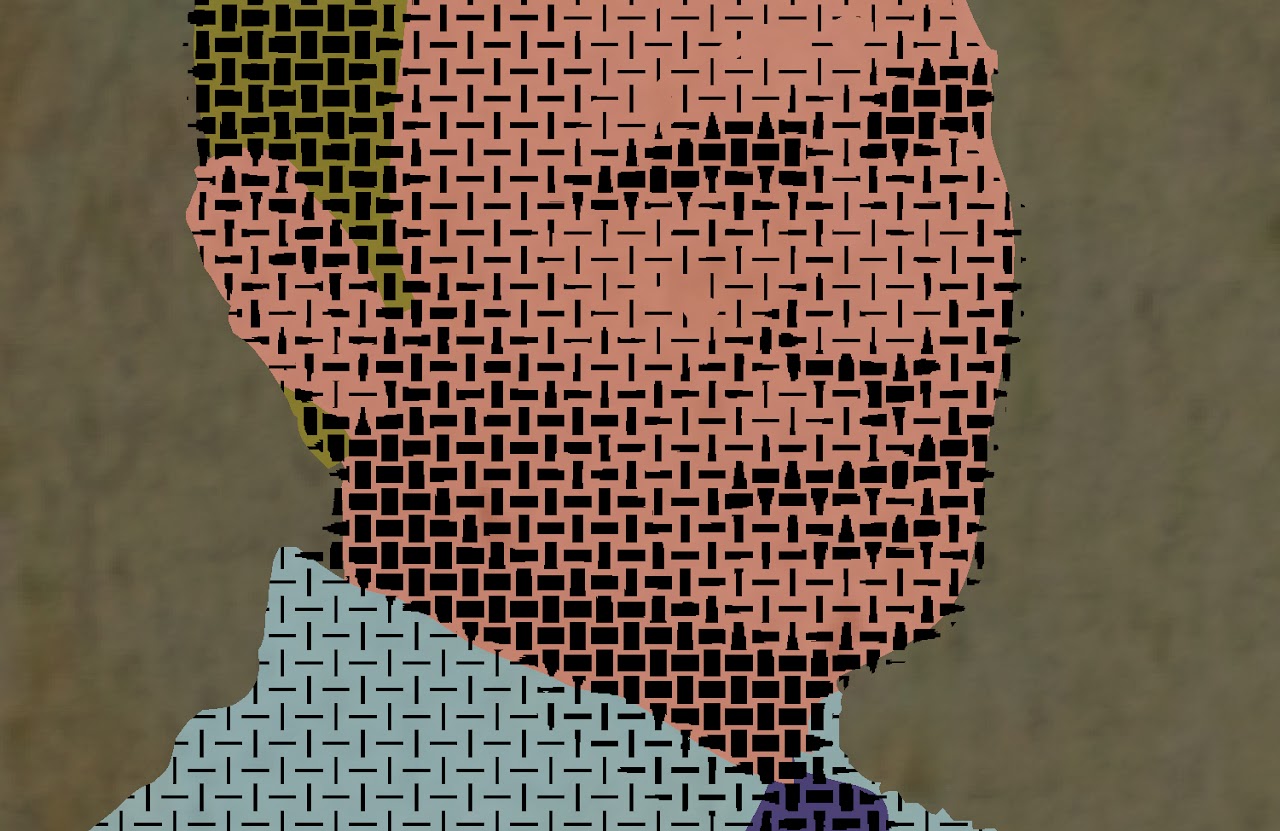
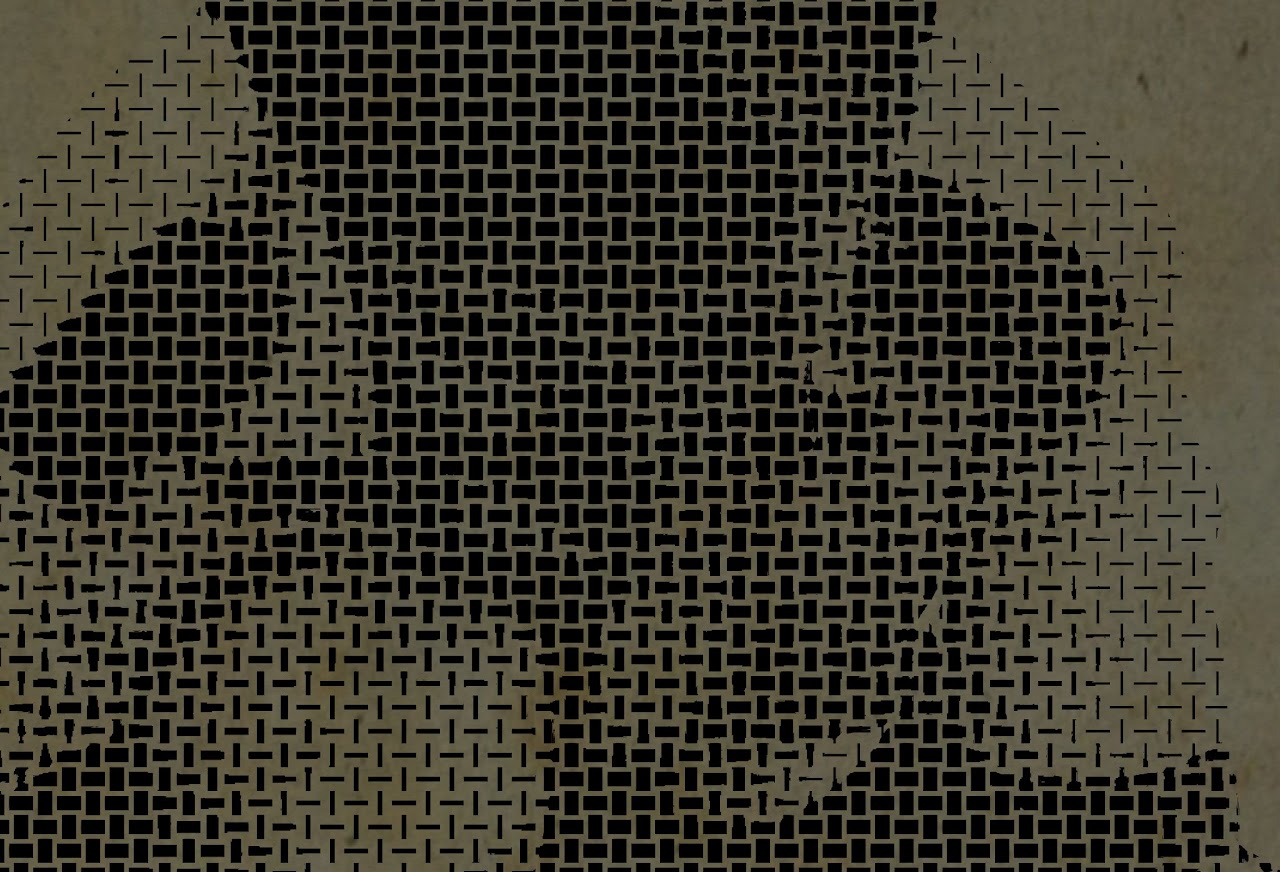
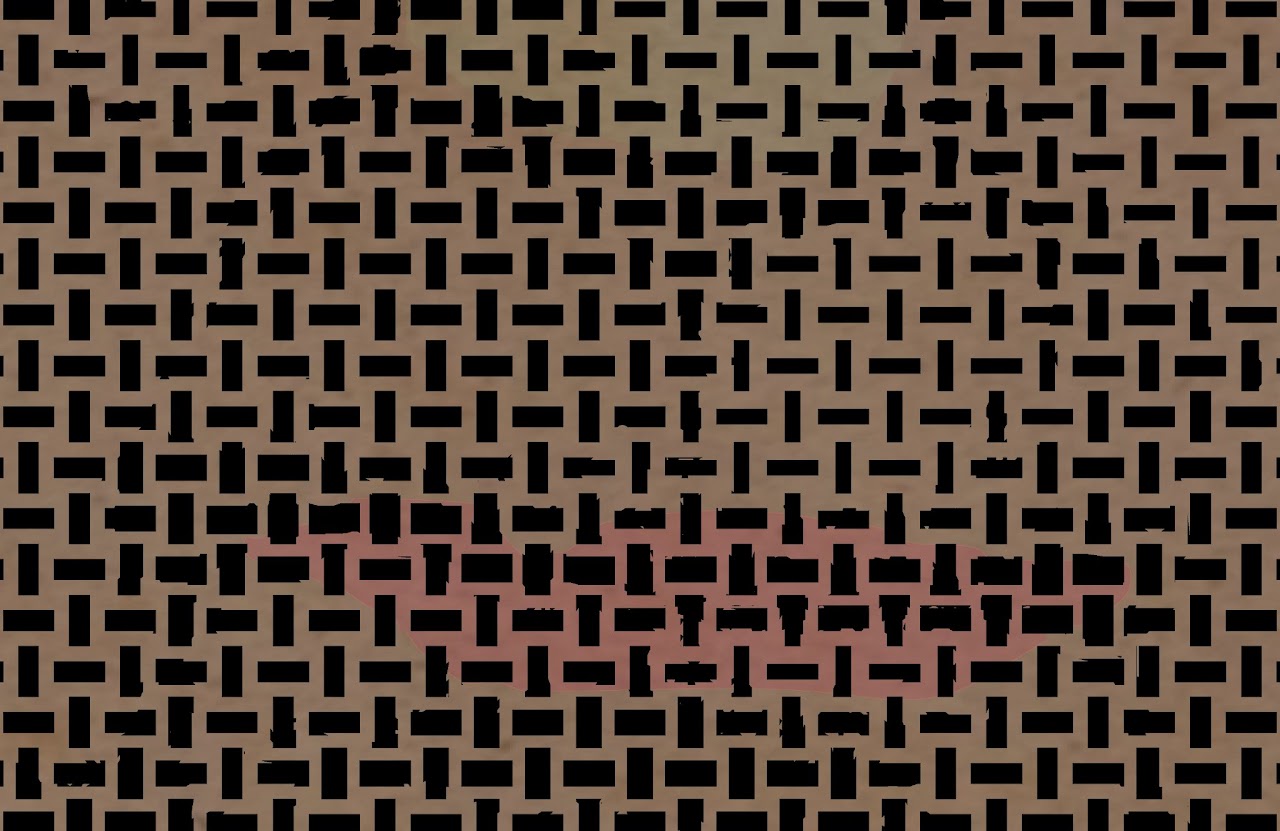
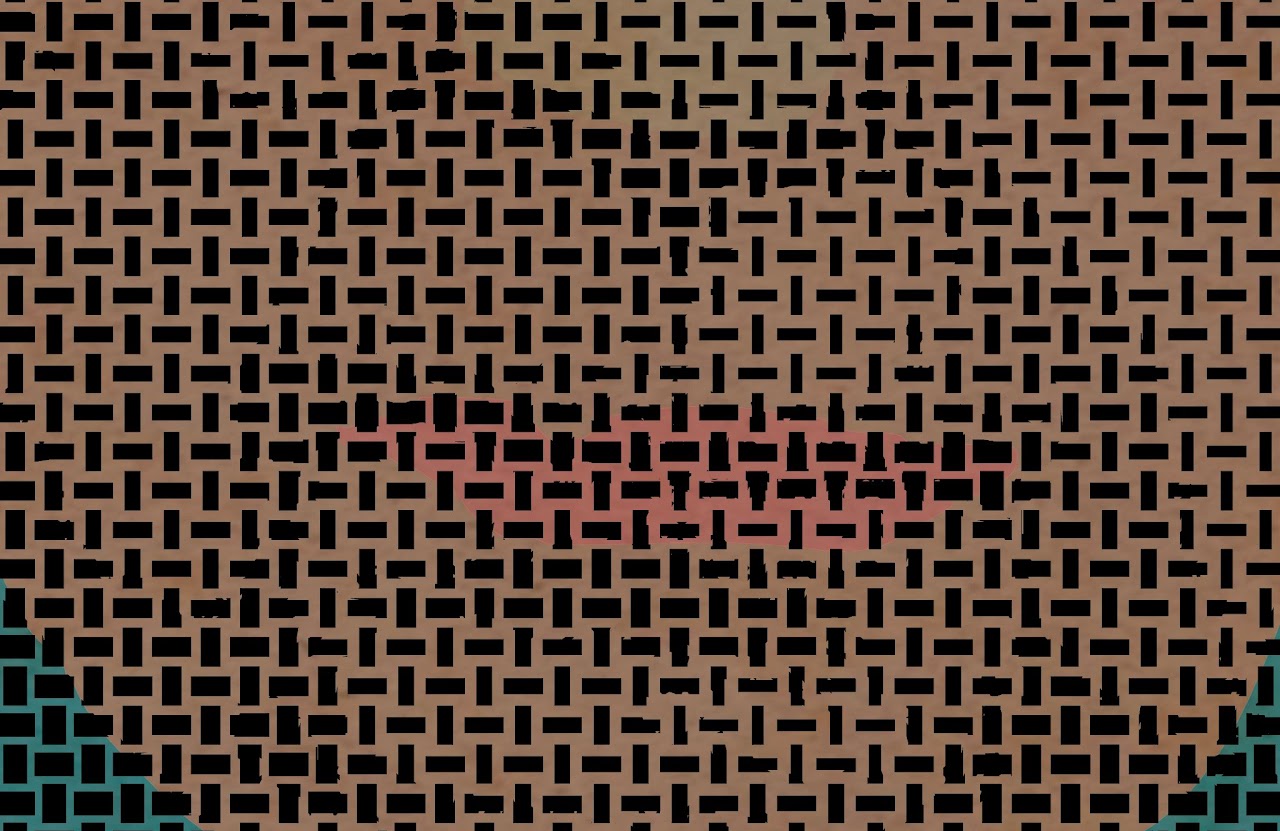
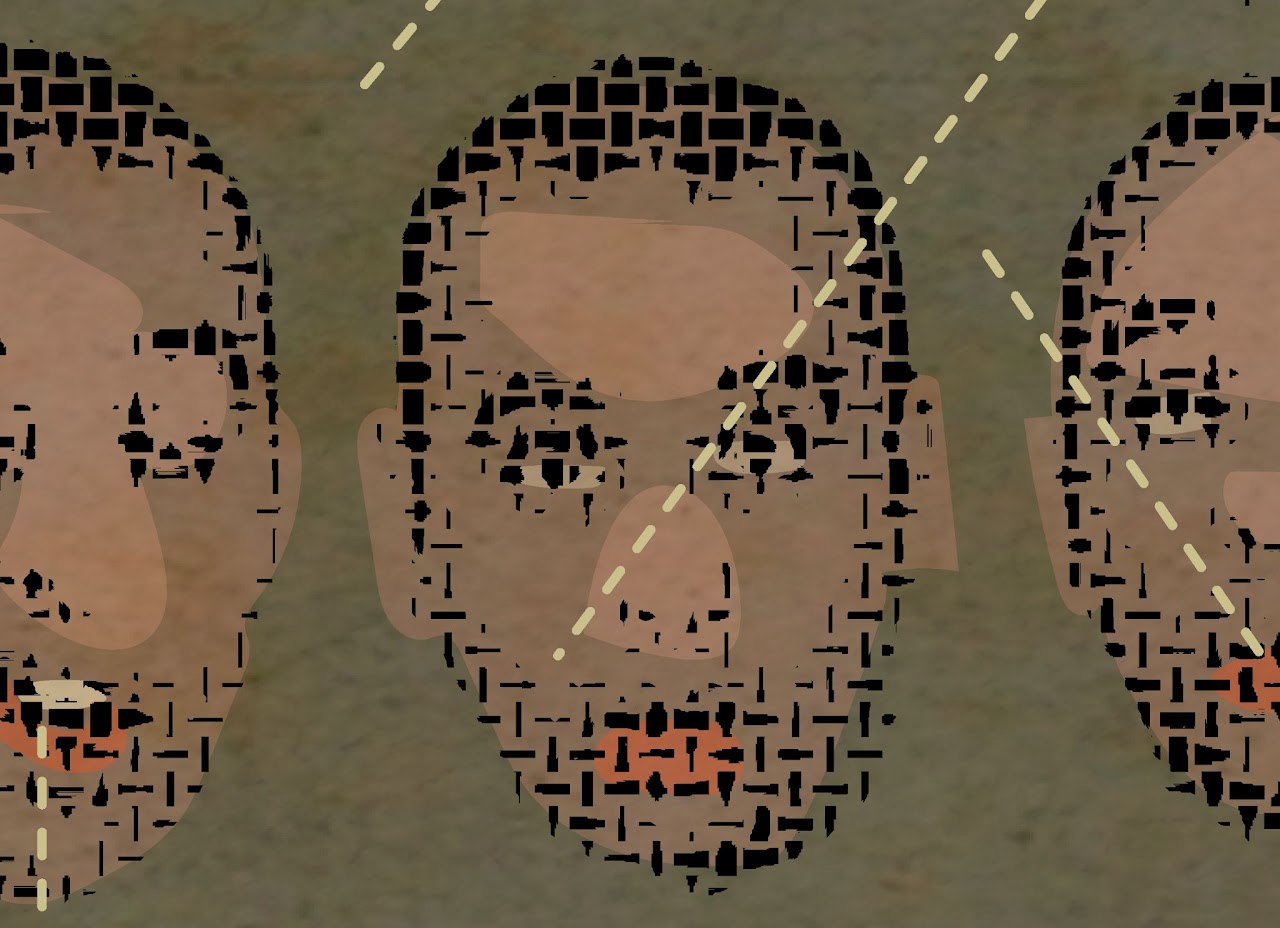
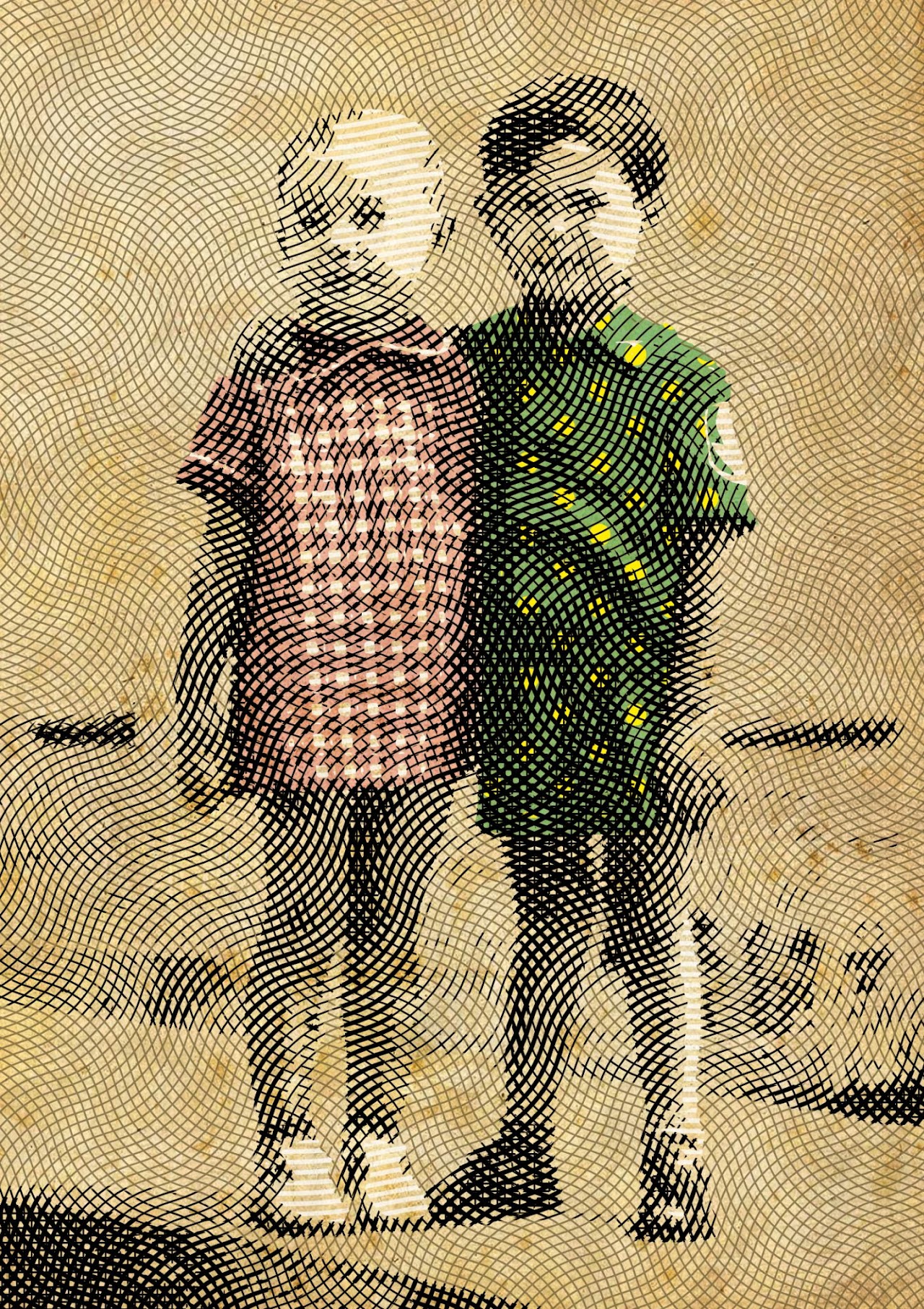
![Смешанная техника — штриховка с переменной толщиной линии + цветовой подмалевок. Работа на оптическое смешение. Линии разной толщины поверх цветового тона. Дискретная моделировка формы. Прищуривание как способ контроля целого [Mixed technique — hatching with variable line thickness + color underpainting. Work on optical mixing. Lines of different thickness over color tone. Discrete shape modeling. Squinting as a way to control the whole]](details-fragments-closeups-graphics-in-magnification/alexander-didenko-graphic-art-details-1.jpeg)
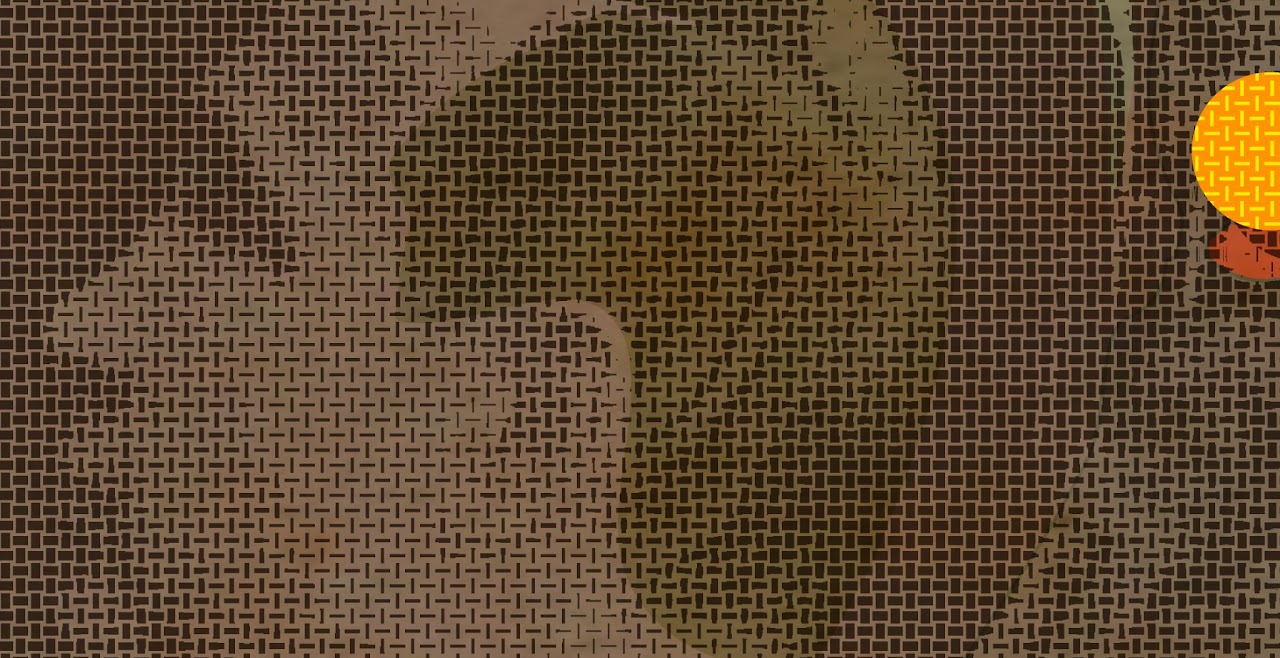
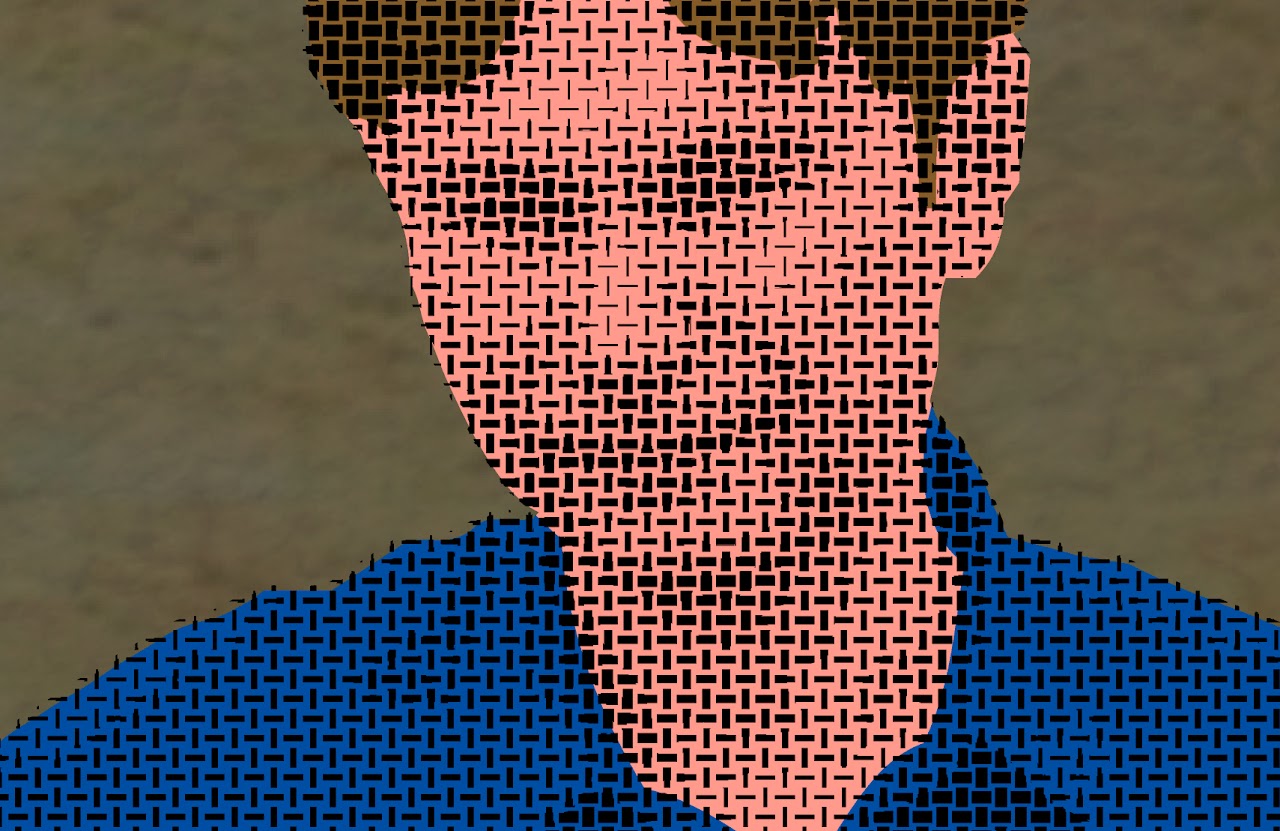
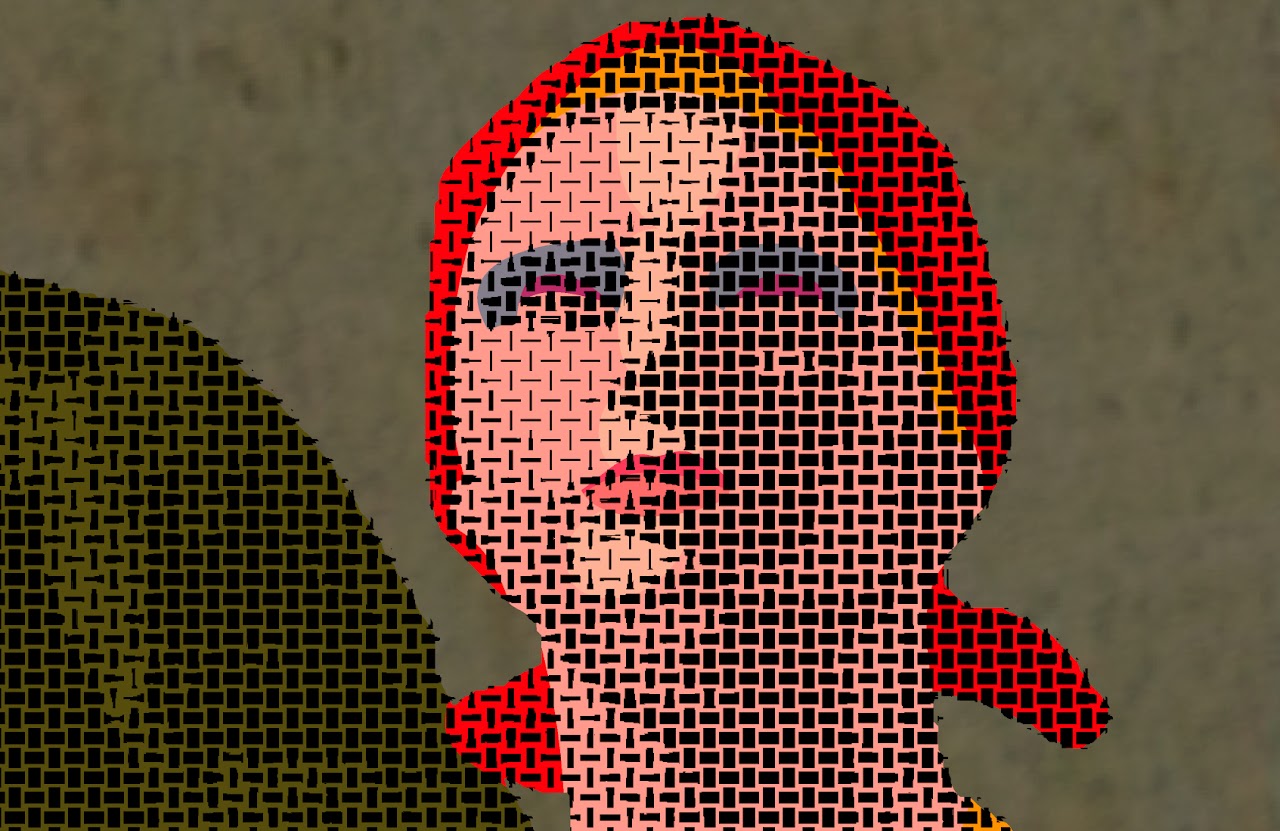
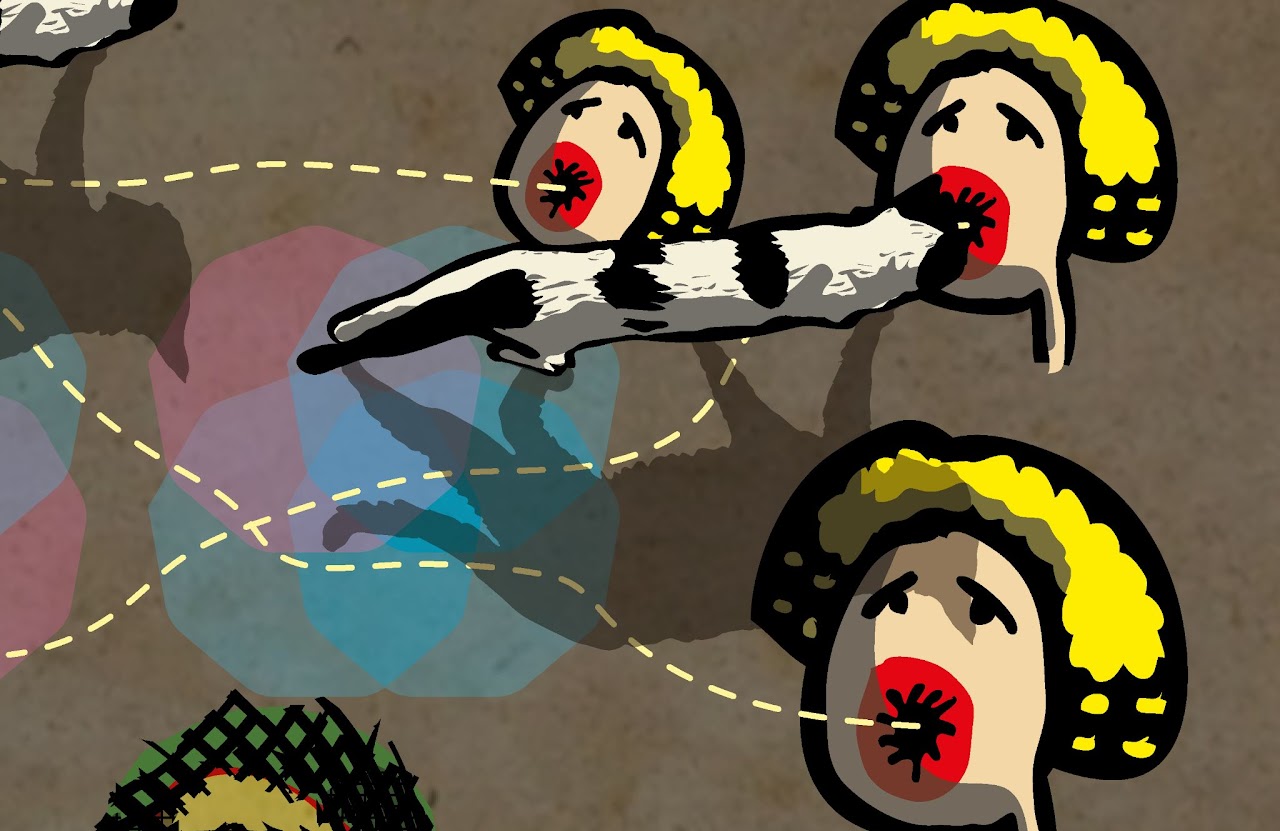
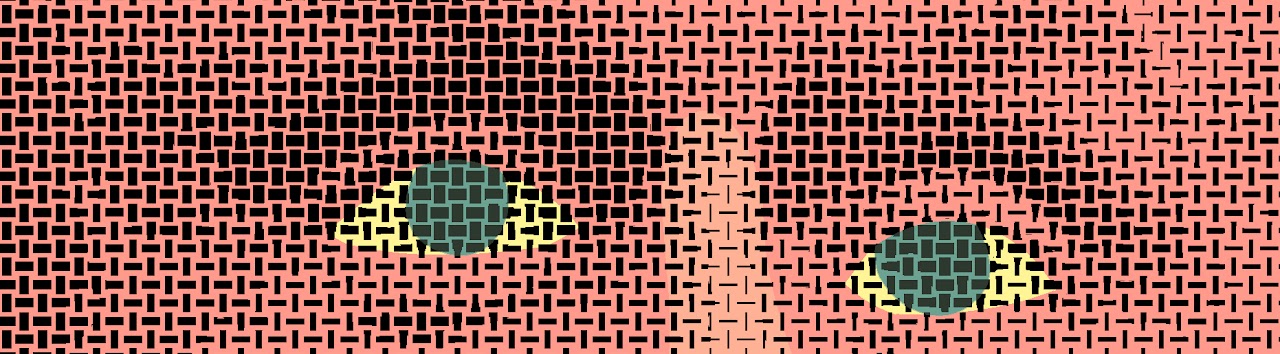
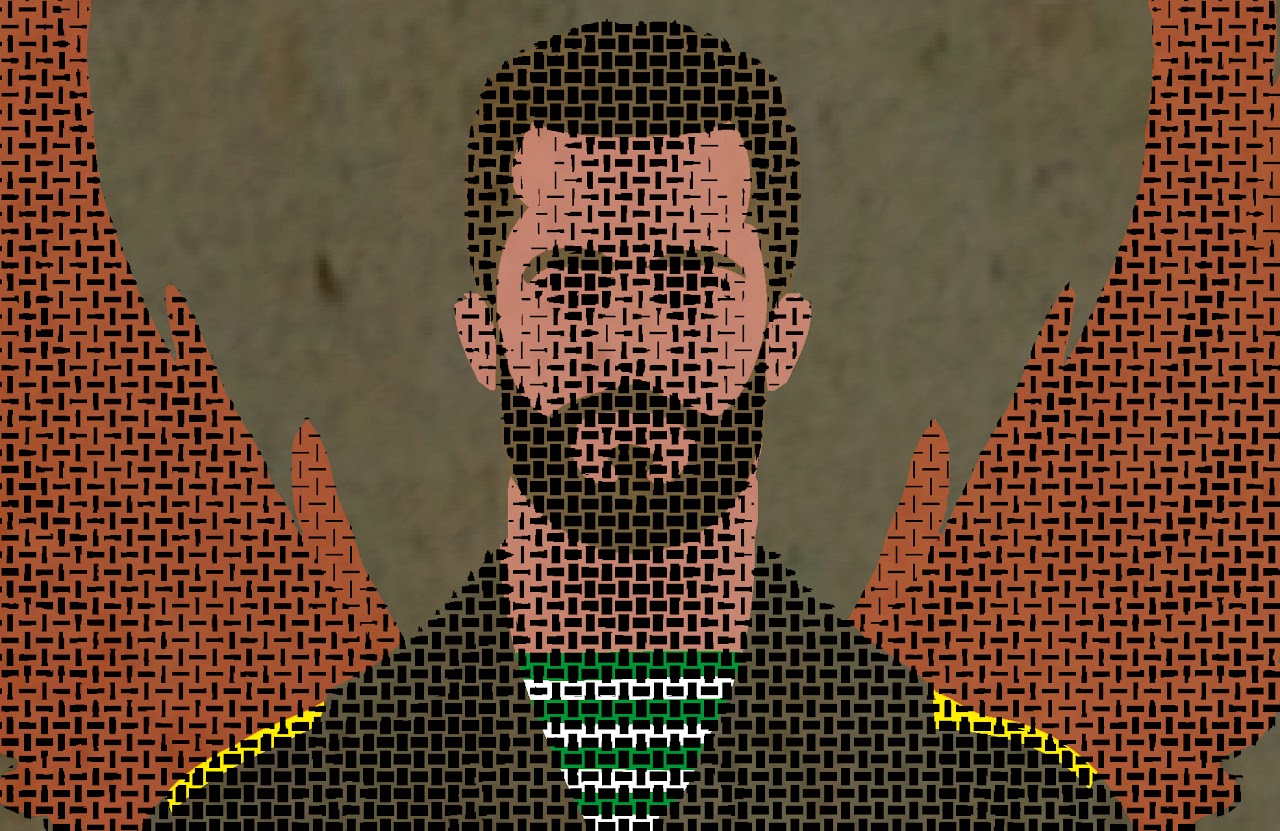
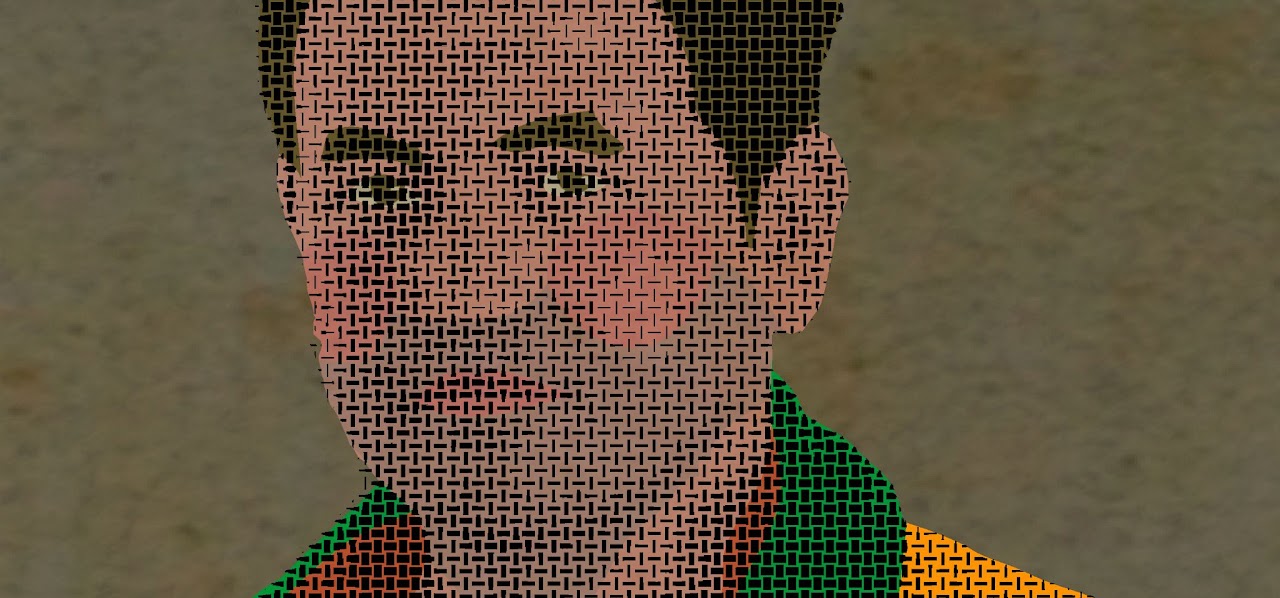
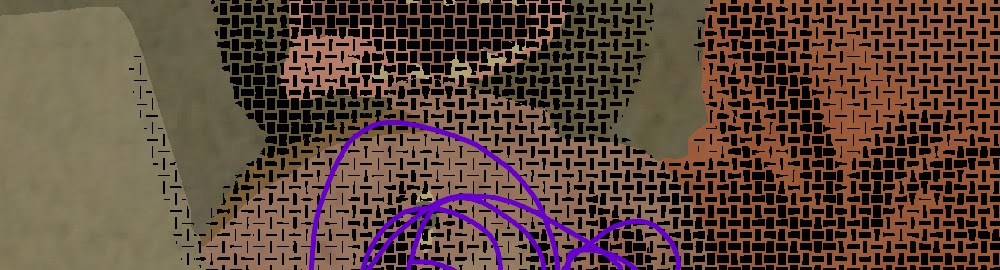
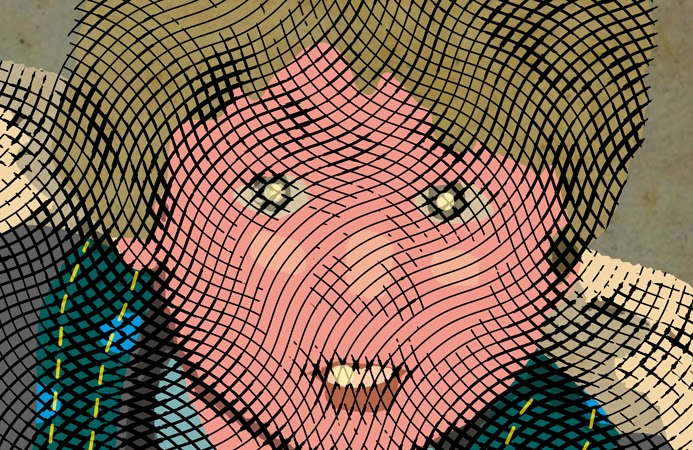
![Линии разной толщины и плотности — основной графический каркас. Цветовой тон — подложка, которая работает как фон или дополнительная тональная прослойка [Lines of different thickness and density — the main graphic framework. Color tone — a substrate that works as a background or an additional tonal layer]](details-fragments-closeups-graphics-in-magnification/alexander-didenko-graphic-art-details-2.jpeg)
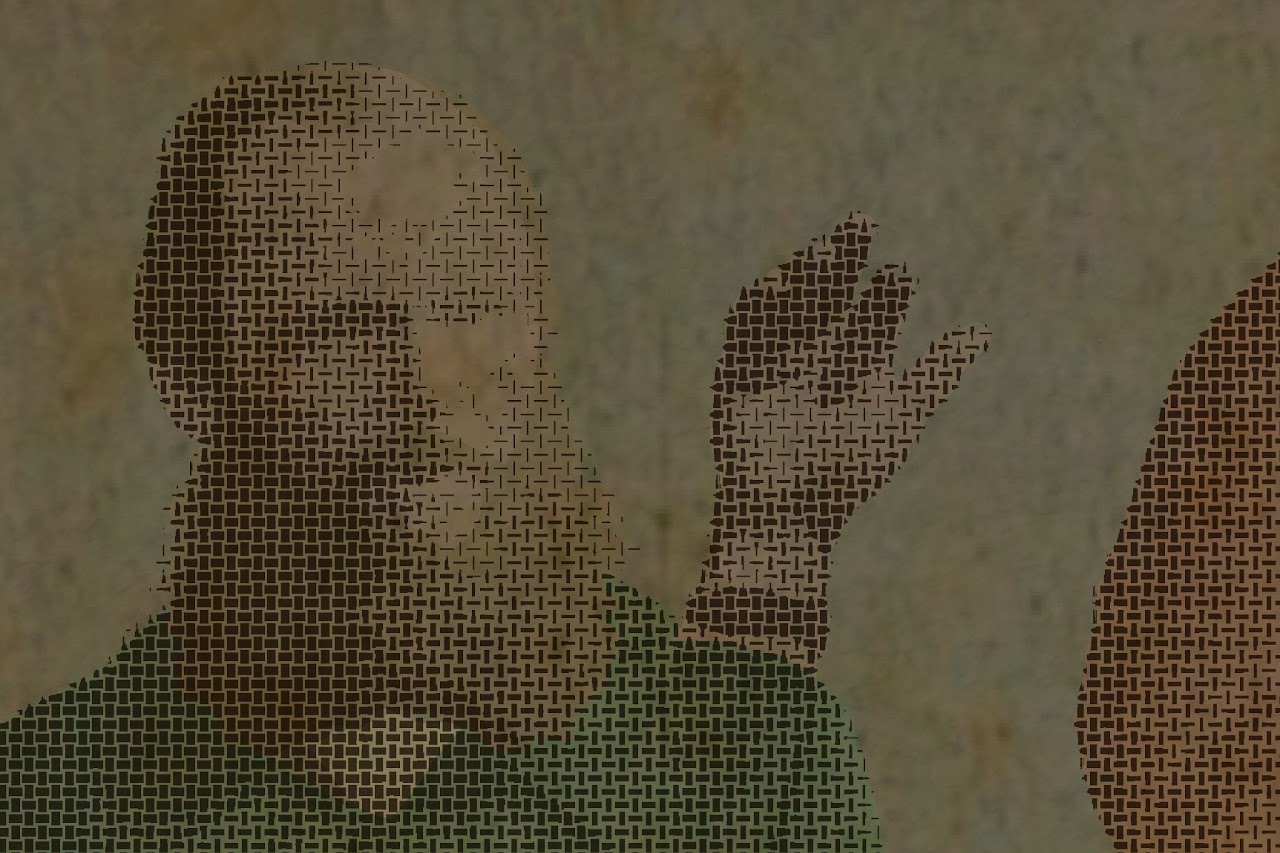
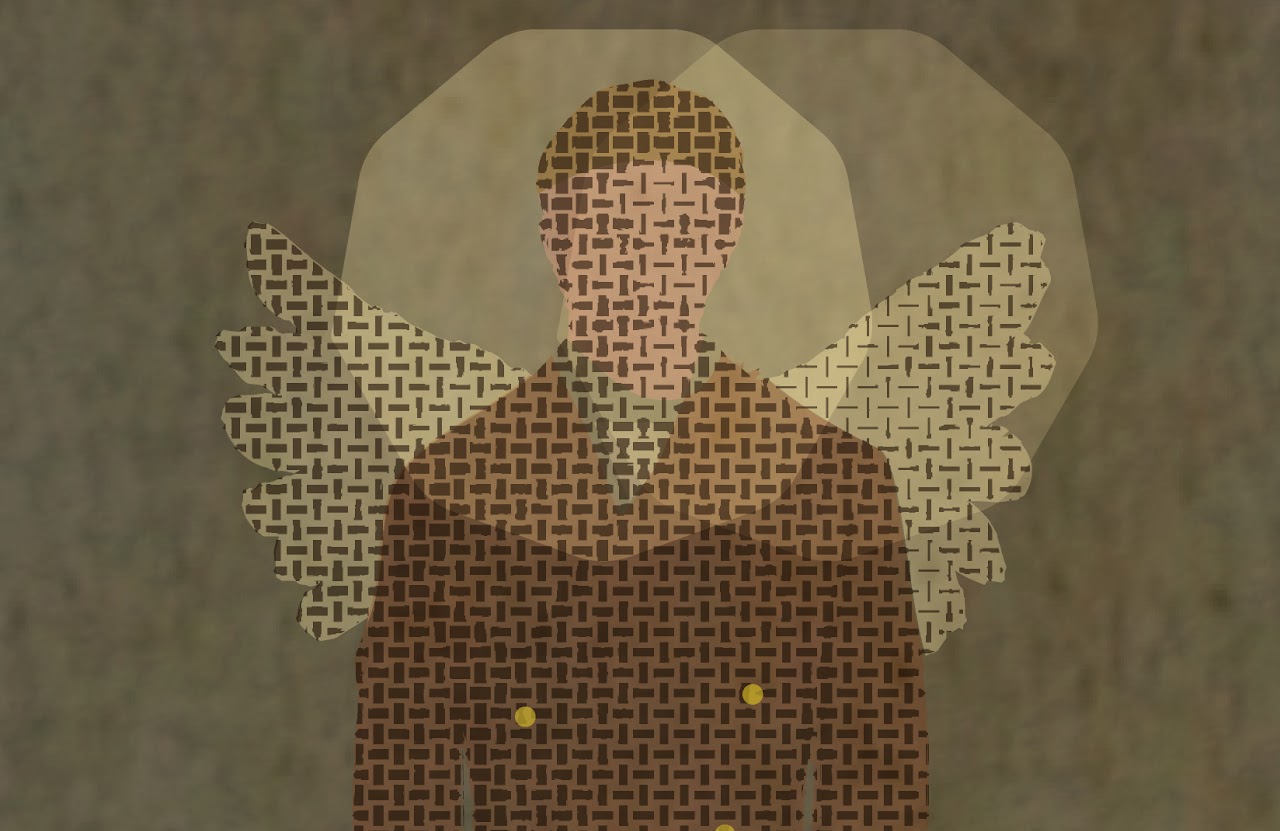
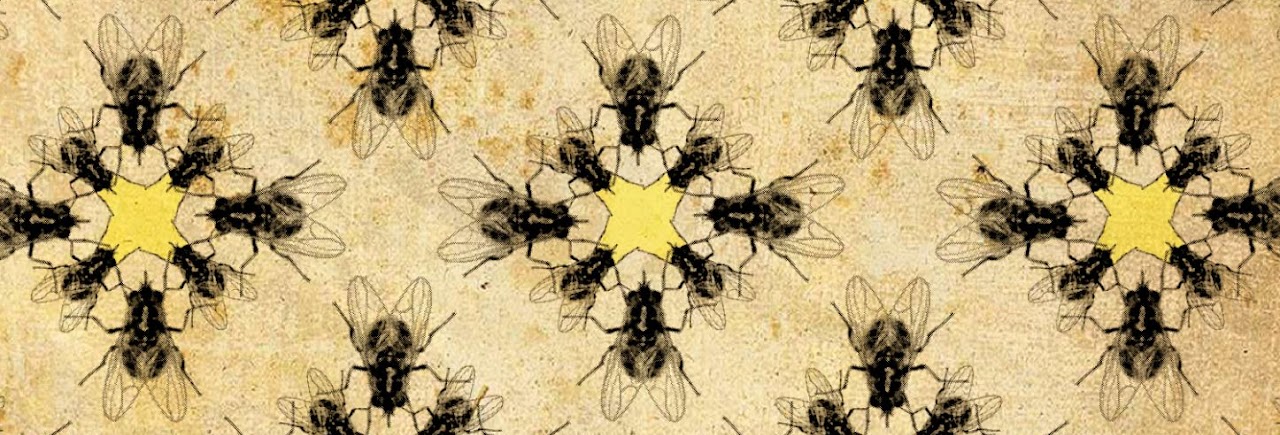
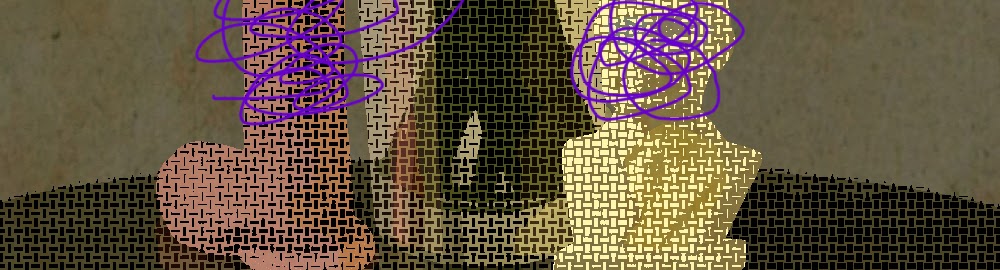
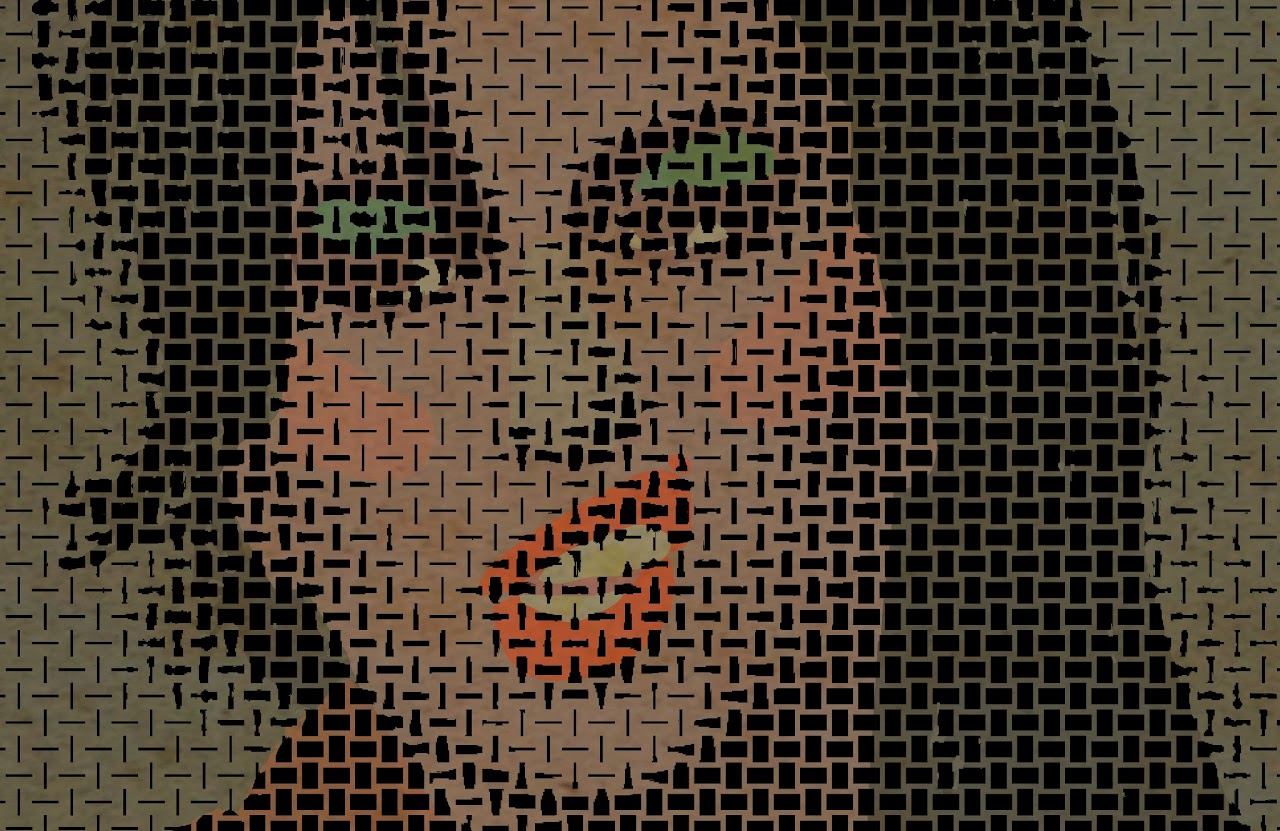
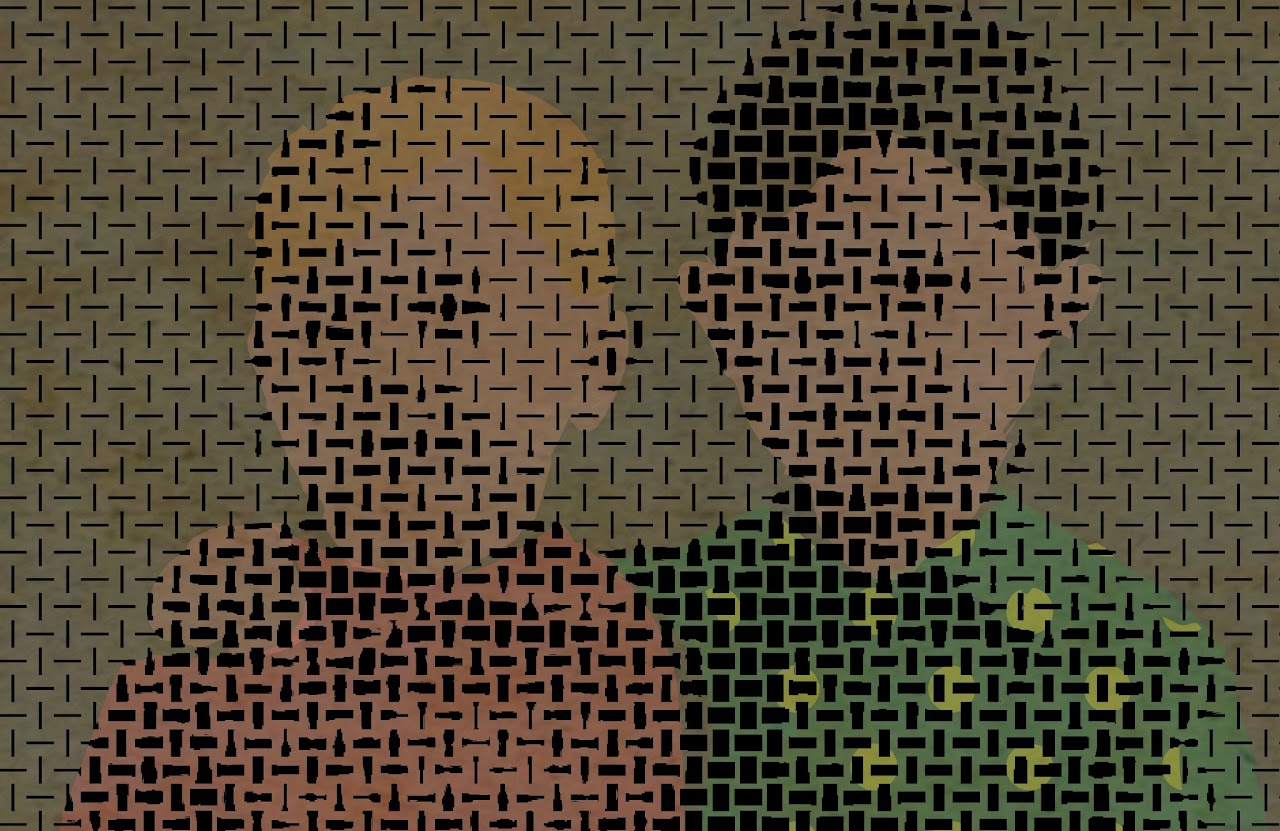
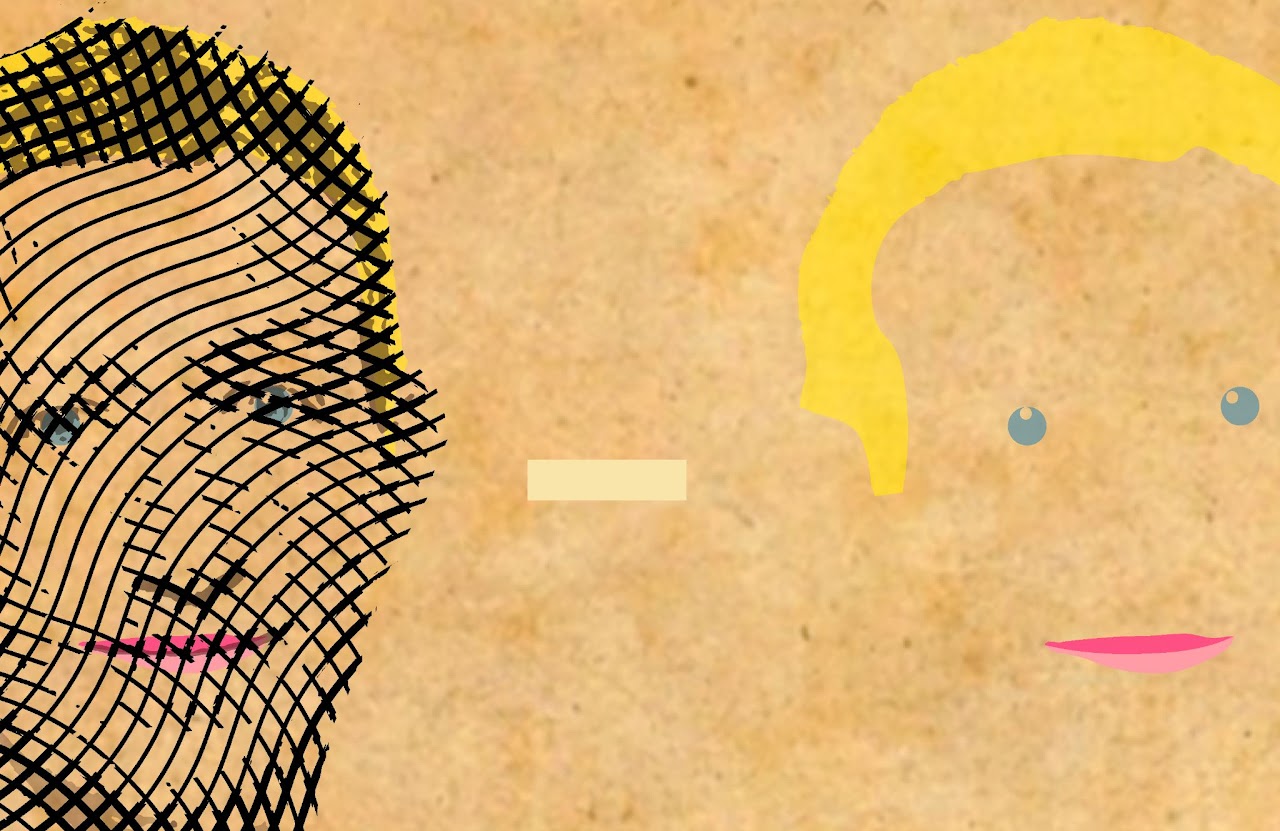
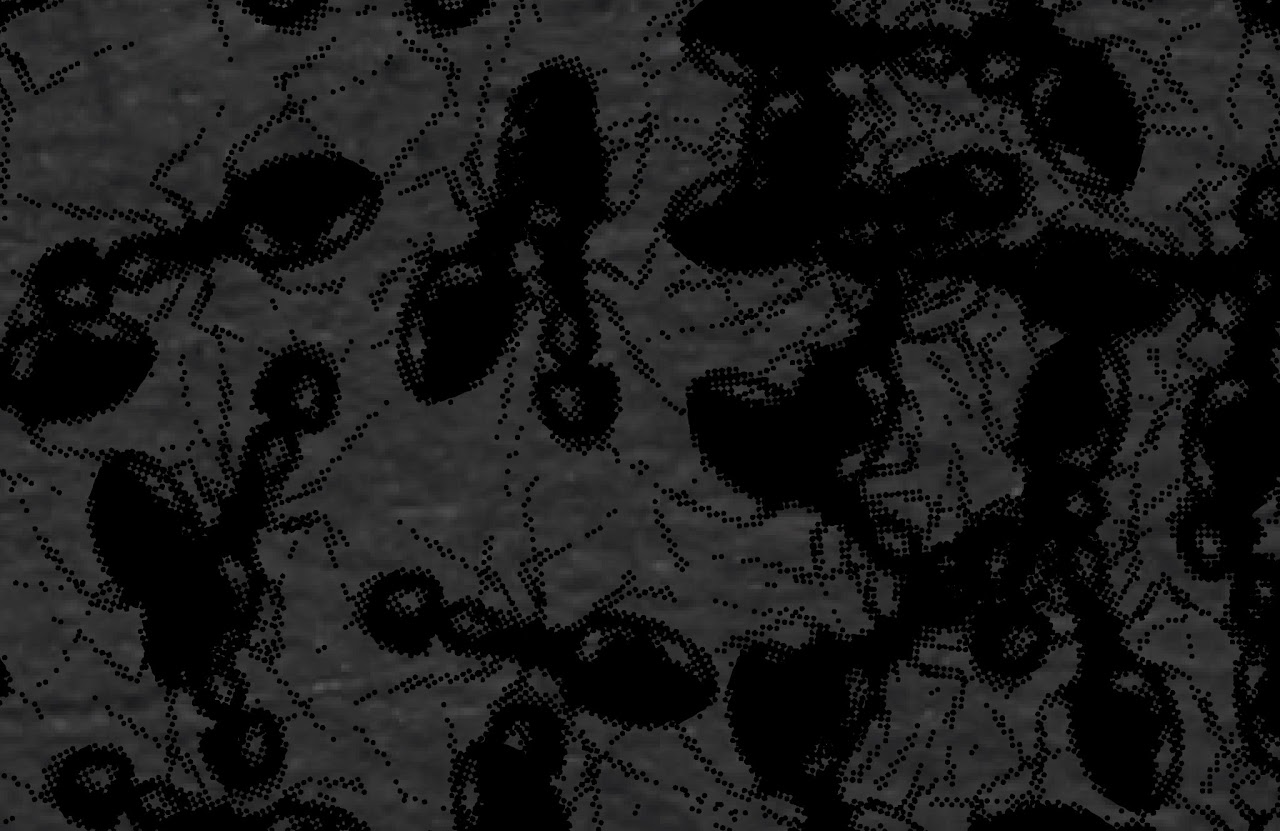
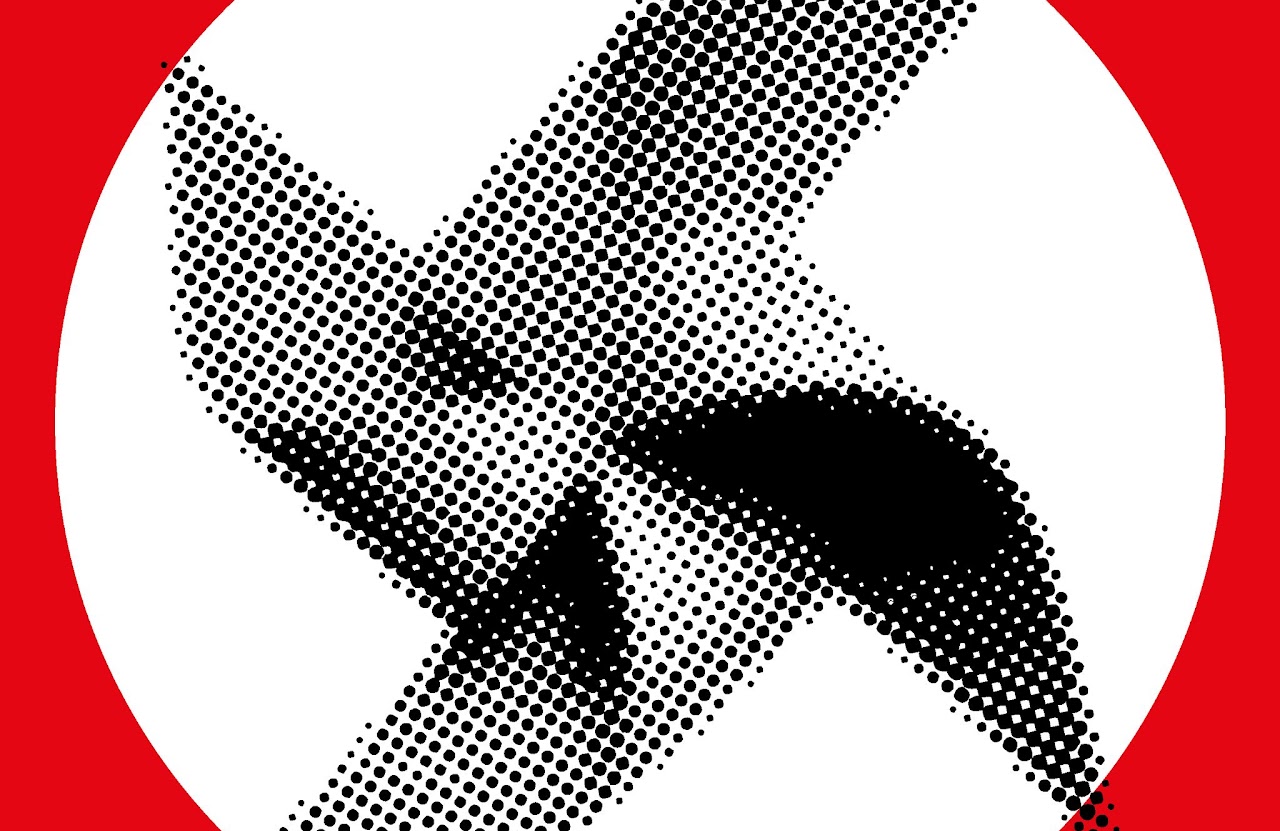
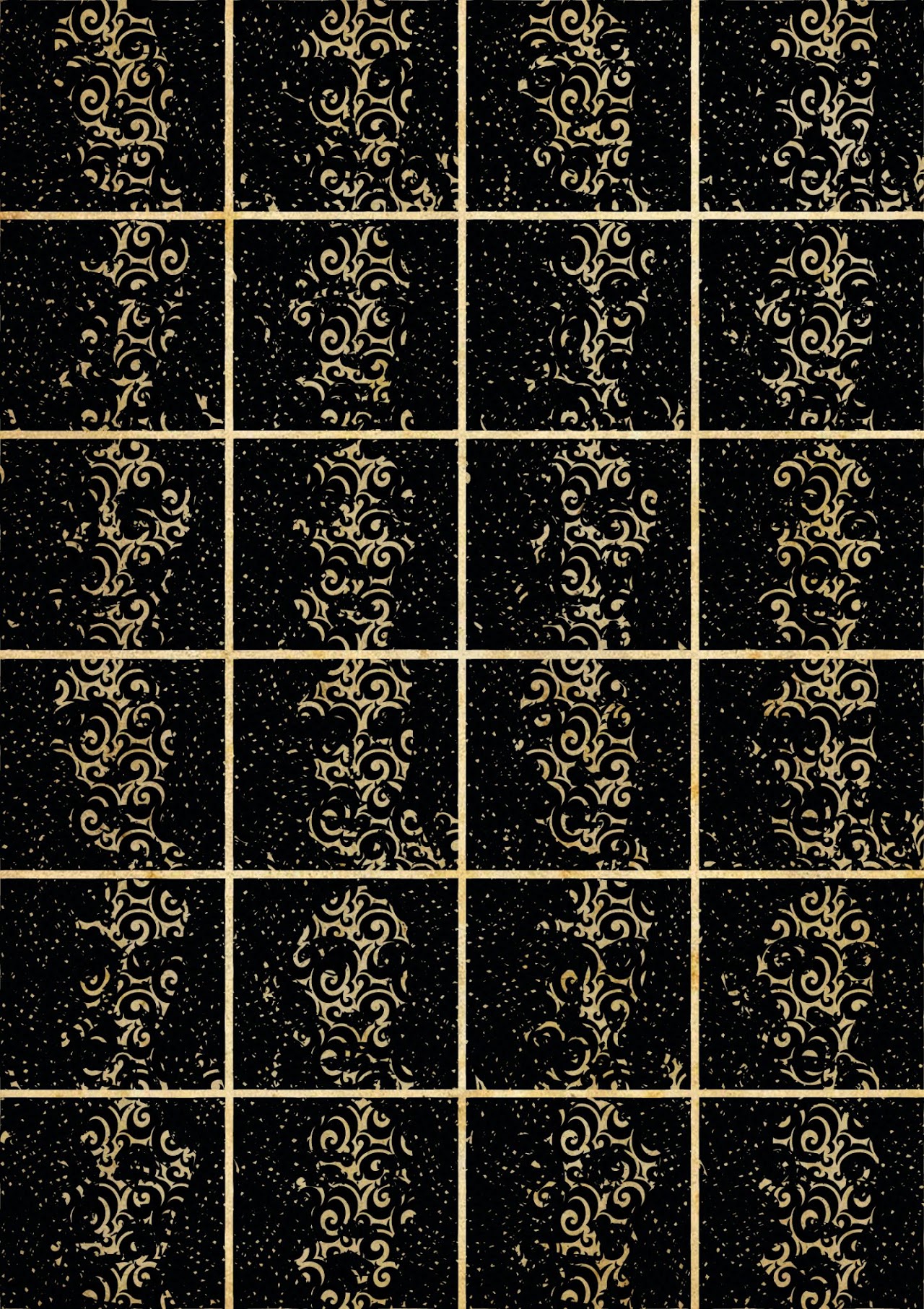
![Male, female, butterfly — абсурдистская композиция [Male, female, butterfly — absurdist composition]](details-fragments-closeups-graphics-in-magnification/alexander-didenko-graphic-art-details-61.jpg)
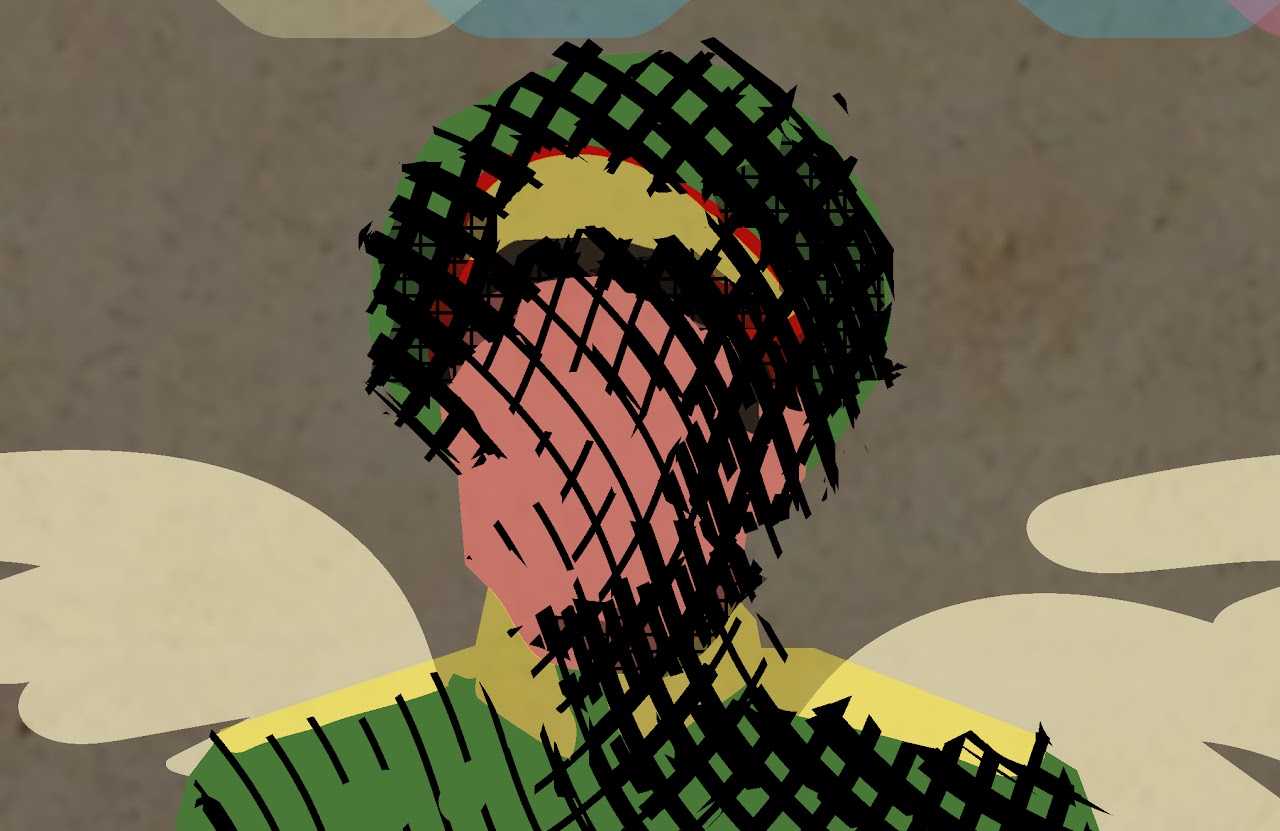
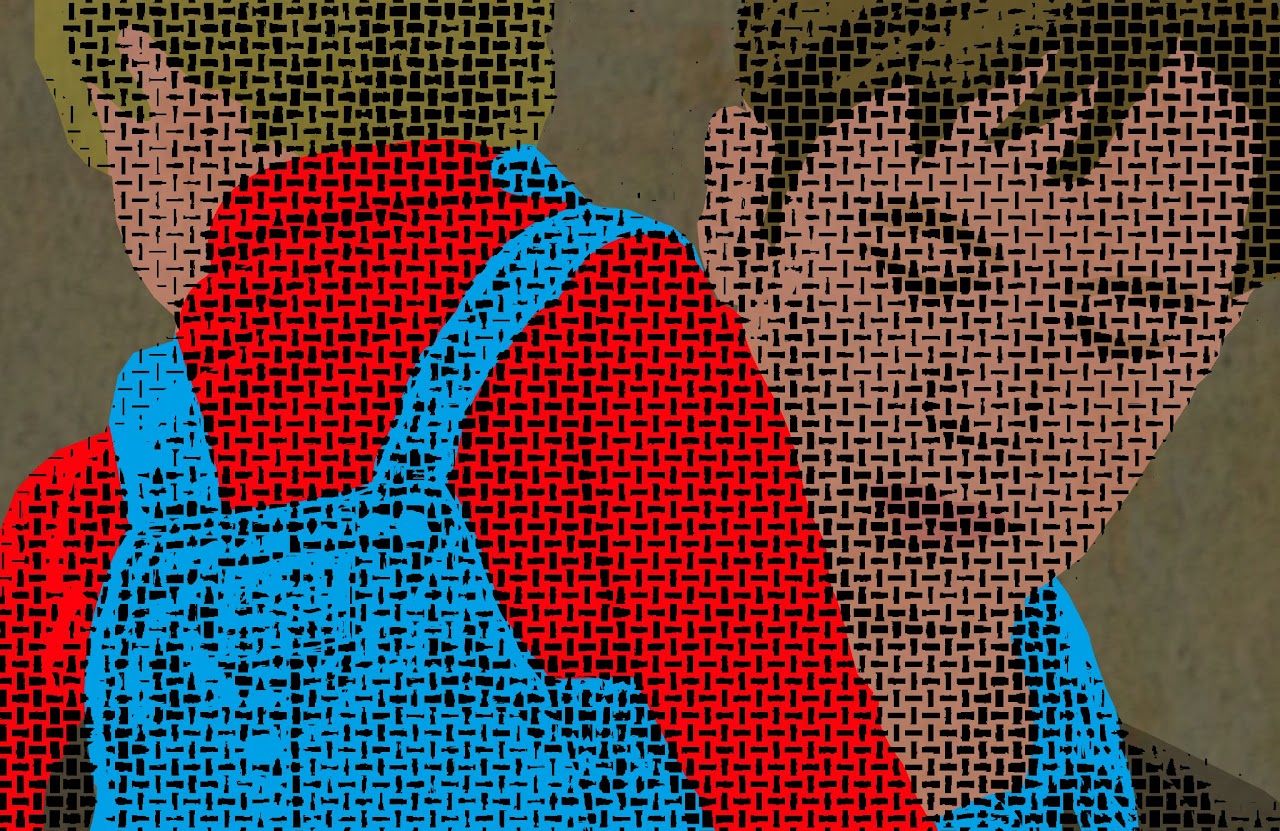
Мир предстаёт как пространство, где привычные основания рассыпаются, а человек утрачивает собственную неделимость. Абсурдизм становится единственным языком, способным выразить состояние, в котором привычные ориентиры больше не работают. Когда всё разложено по уровням и снабжено обозначениями, возникает ощущение, что сама попытка упорядочить жизнь превращается в её разрушение. В этой тьме проступает тревожная мысль: если тебя можно разобрать на элементы, значит, ты уже перестал быть собой?
Сатирическая интонация здесь не для того, чтобы вызвать смех. Она вскрывает парадокс общества, где внешние различия важнее внутреннего содержания. Абсурдизм показывает, что любые ярлыки — лишь маски, за которыми скрывается пустота. Когда символы подменяют сущность, человек превращается в объект наблюдения, а не в субъект собственной судьбы. И в этой подмене рождается отчуждение, которое невозможно выразить иначе, кроме как через гротеск, где нелепость становится единственной формой правды.
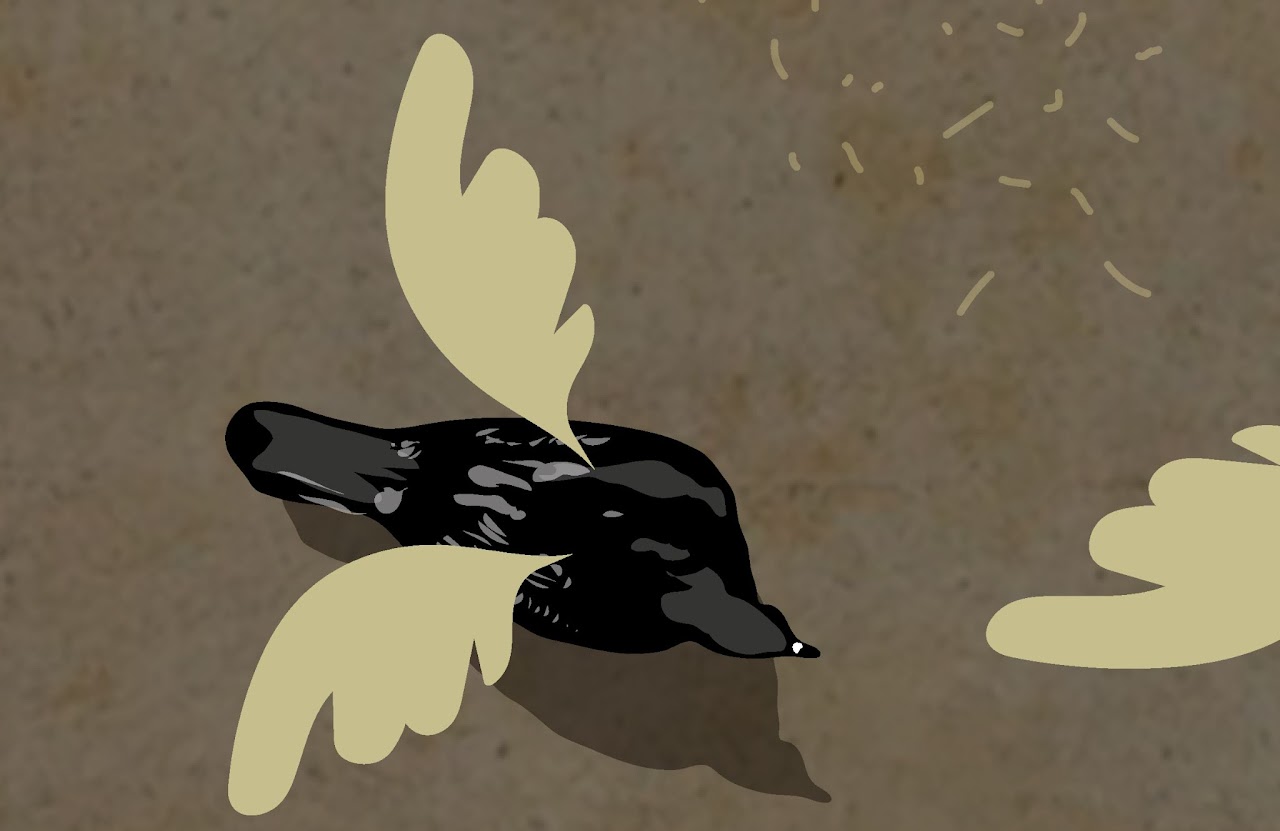
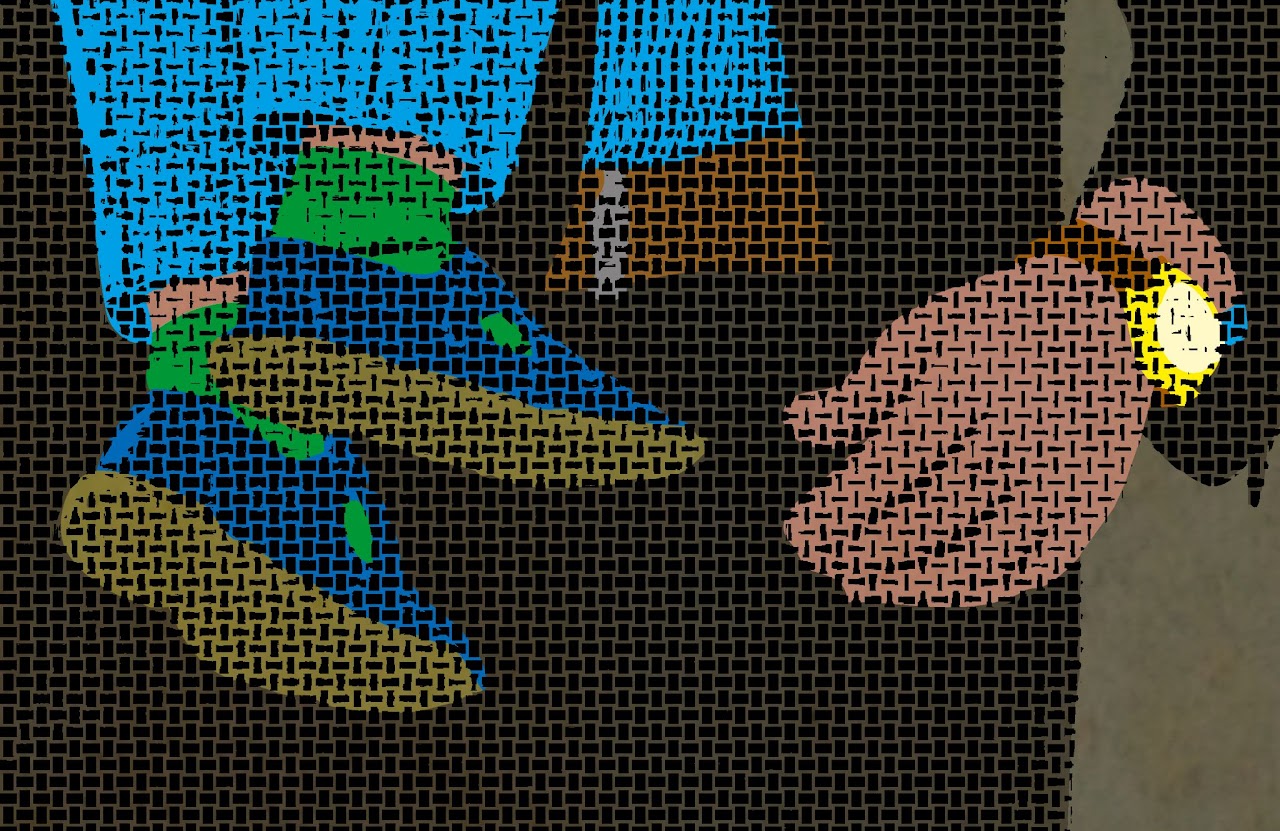
Хрупкое существо, лишённое возможности двигаться, напоминает о том, как легко свобода превращается в экспонат. Когда живое фиксируют, приковывают к поверхности, оценивают, оно перестаёт быть живым. Это не просто образ, а предупреждение: любое стремление контролировать то, что по природе своей свободно, приводит к утрате смысла. И всё же даже в обездвиженном состоянии сохраняется память о полёте — тихий намёк на то, что свобода не исчезает полностью, пока о ней помнят.
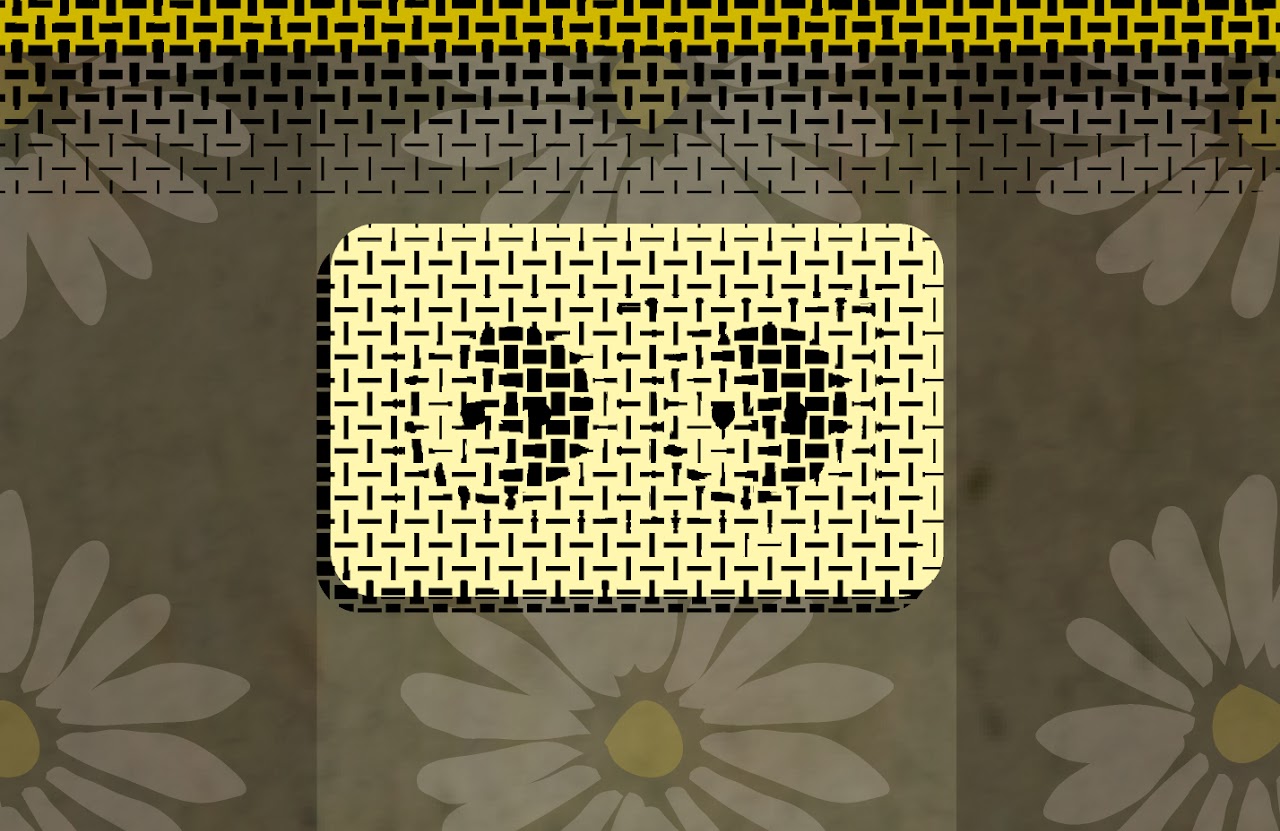
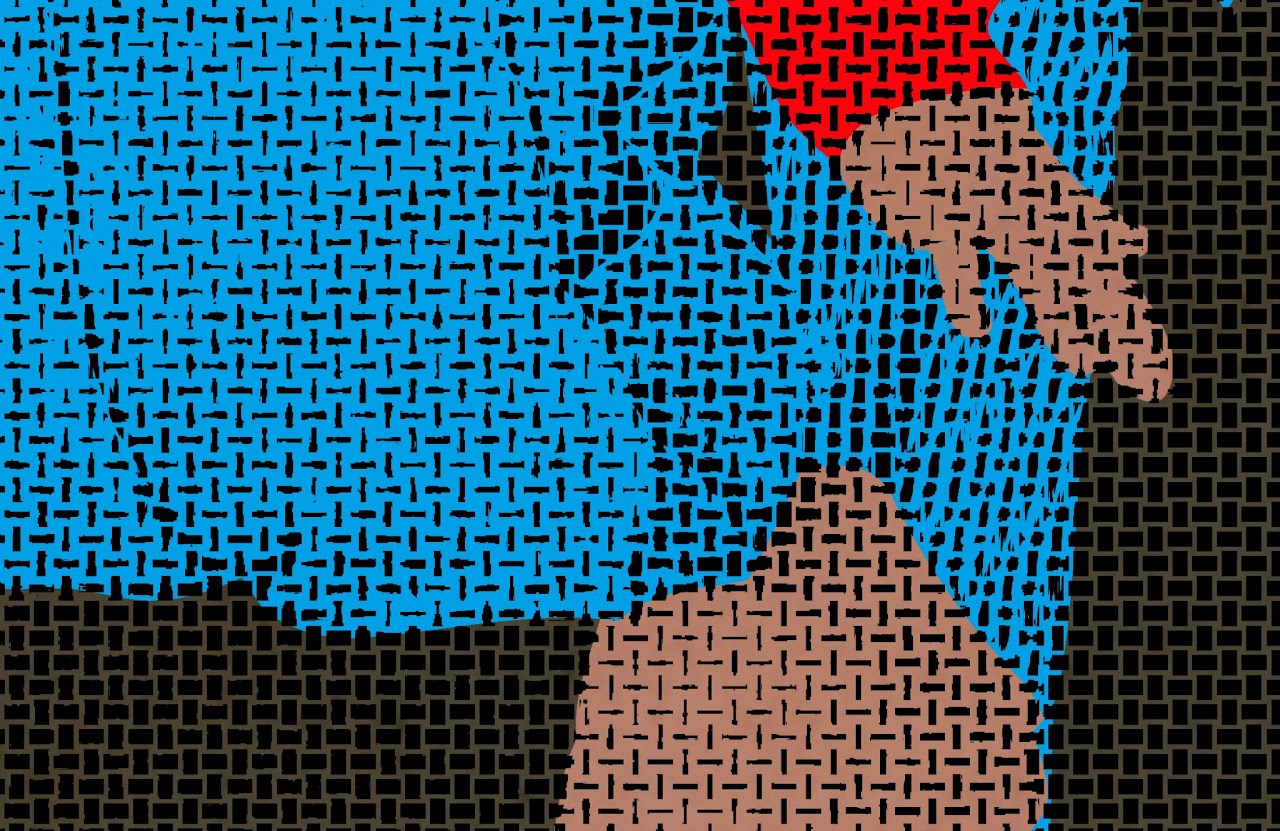
Ярлыки и бирки создают ощущение тотального обесценивания. Когда всё сведено к одному числу, исчезает различие между важным и неважным. Это не экономика, а философия равнодушия, в которой человеческие чувства, мысли и мечты становятся частью безликой схемы или системы учёта. В такой среде легко потерять способность различать подлинное и ложное, живое и механическое. И именно это равнодушие становится самой мрачной частью происходящего — не тьма вокруг, а тьма внутри.
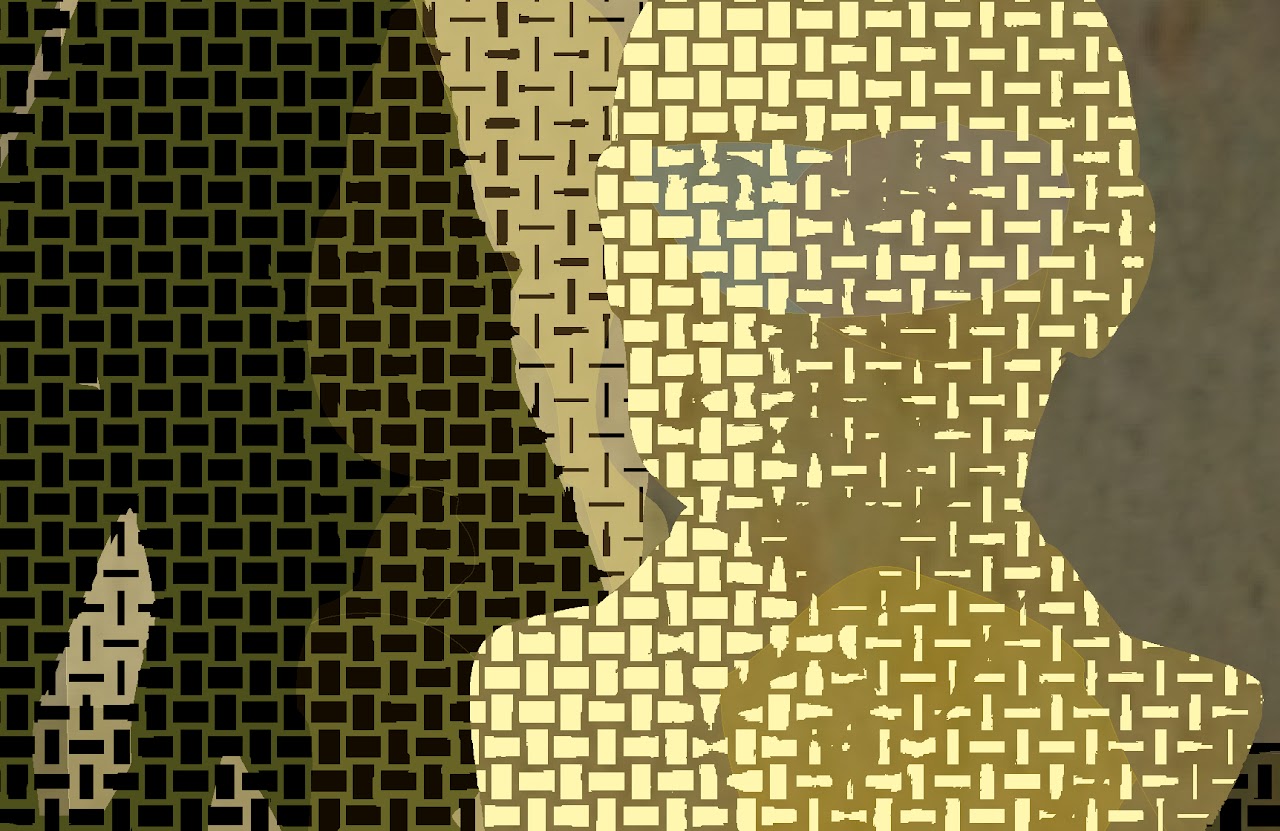
Но в этом хаосе всё же сохраняется тонкое напоминание о человеческом начале. Оно не навязывает выводов и не требует решений. Оно лишь показывает, насколько нелепым становится мир, когда живое перестаёт быть ценностью само по себе. И в этом молчаливом наблюдении рождается надежда: если мы способны увидеть абсурд происходящего, значит, мы ещё не утратили способность к состраданию. А там, где есть сострадание, есть шанс собрать себя заново — не из разрозненных фрагментов, а из внутреннего стремления к человеческой целостности.
The world appears as a space where familiar foundations crumble and a person loses their own indivisibility. Absurdism becomes the only language capable of expressing a state in which familiar landmarks no longer work. When everything is broken down into levels and provided with labels, there arises a feeling that the very attempt to organize life turns into its destruction. In this darkness, an alarming thought emerges: if you can be disassembled into elements, does it mean you have already ceased to be yourself?
The satirical tone here is not meant to provoke laughter. It reveals the paradox of a society where external differences matter more than inner content. Absurdism shows that any labels are merely masks behind which emptiness hides. When symbols replace essence, a person becomes an object of observation rather than the subject of their own destiny. And from this substitution arises alienation that can only be expressed through the grotesque, where absurdity becomes the only form of truth.
A fragile creature deprived of the ability to move reminds us how easily freedom turns into an exhibit. When the living is fixed, chained to a surface, evaluated, it ceases to be alive. This is not just an image but a warning: any attempt to control what is by nature free leads to a loss of meaning. And yet, even in an immobilized state, the memory of flight remains — a quiet hint that freedom does not disappear entirely as long as it is remembered.
Labels and tags create a feeling of total devaluation. When everything is reduced to a single number, the difference between important and unimportant disappears. This is not economics but a philosophy of indifference, in which human feelings, thoughts, and dreams become part of a faceless scheme or accounting system. In such an environment, it is easy to lose the ability to distinguish the authentic from the false, the living from the mechanical. And it is this indifference that becomes the darkest part of what is happening — not darkness around, but darkness within.
Yet in this chaos, a subtle reminder of the human essence persists. It does not impose conclusions or demand solutions. It merely shows how absurd the world becomes when the living ceases to be valuable in itself. And in this silent observation, hope is born: if we are able to see the absurdity of what is happening, then we have not yet lost our capacity for compassion. And where there is compassion, there is a chance to reassemble ourselves — not from scattered fragments, but from an inner striving toward human wholeness.